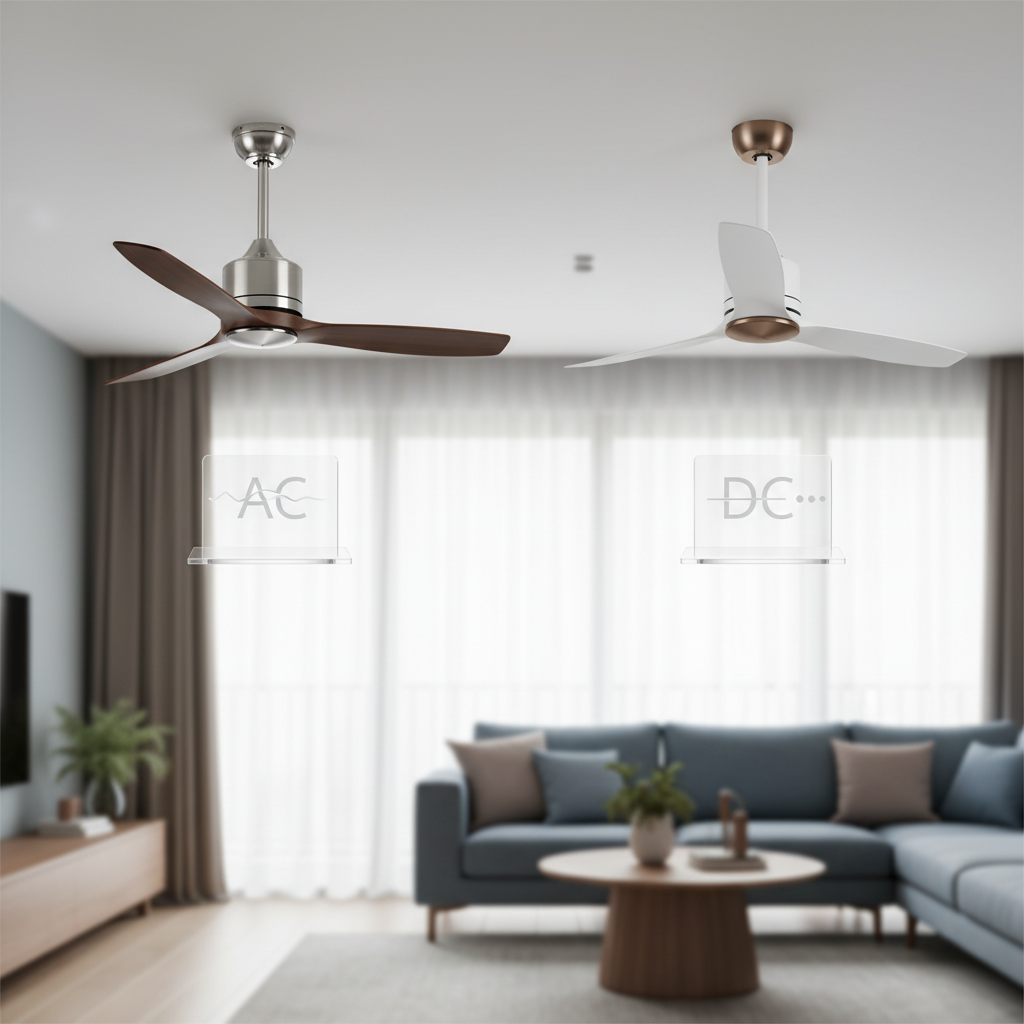
Replacing an old ceiling fan with a newer, more efficient model is a common home improvement, but what happens to the old one once it’s taken down? Many people are unsure how to properly dispose of these bulky appliances, often leading to them gathering dust in a garage or, worse, ending up in a landfill. However, responsible disposal of ceiling fans is crucial for environmental health and resource conservation.
This comprehensive guide will walk you through the essential steps for ethically and efficiently recycling your old ceiling fan. From understanding why proper disposal matters to identifying recyclable components and finding the right recycling channels, we’ll help you make an informed decision for a greener home and planet.
Understanding Why Responsible Ceiling Fan Disposal Matters
Ceiling fans are more than just simple household items; they are complex pieces of electronic equipment, often categorized as e-waste or small appliances. Tossing them into general landfill waste contributes to a growing problem of electronic waste accumulation. Landfills are rapidly reaching capacity, and every item diverted helps extend their lifespan while reducing our overall environmental footprint.
Beyond space, ceiling fans contain various materials, some of which can be hazardous if not handled correctly. Components like circuit boards, capacitors, and even certain light bulbs (CFLs and fluorescents) can contain toxic elements such as lead or mercury. When these materials break down in landfills, they can leach into the soil and groundwater, causing significant environmental pollution and posing risks to human health. By choosing to recycle, we prevent these harmful substances from entering our ecosystems and conserve valuable natural resources by allowing materials like metals and plastics to be recovered and reused in new products.
Disassembling Your Ceiling Fan for Recycling
Before you can responsibly dispose of your old ceiling fan, safe disassembly is often a necessary first step, especially for maximizing recyclable components. The most critical rule is safety: always ensure the power to the ceiling fan is completely disconnected at the circuit breaker before you begin any work. This prevents electric shock, a serious hazard.
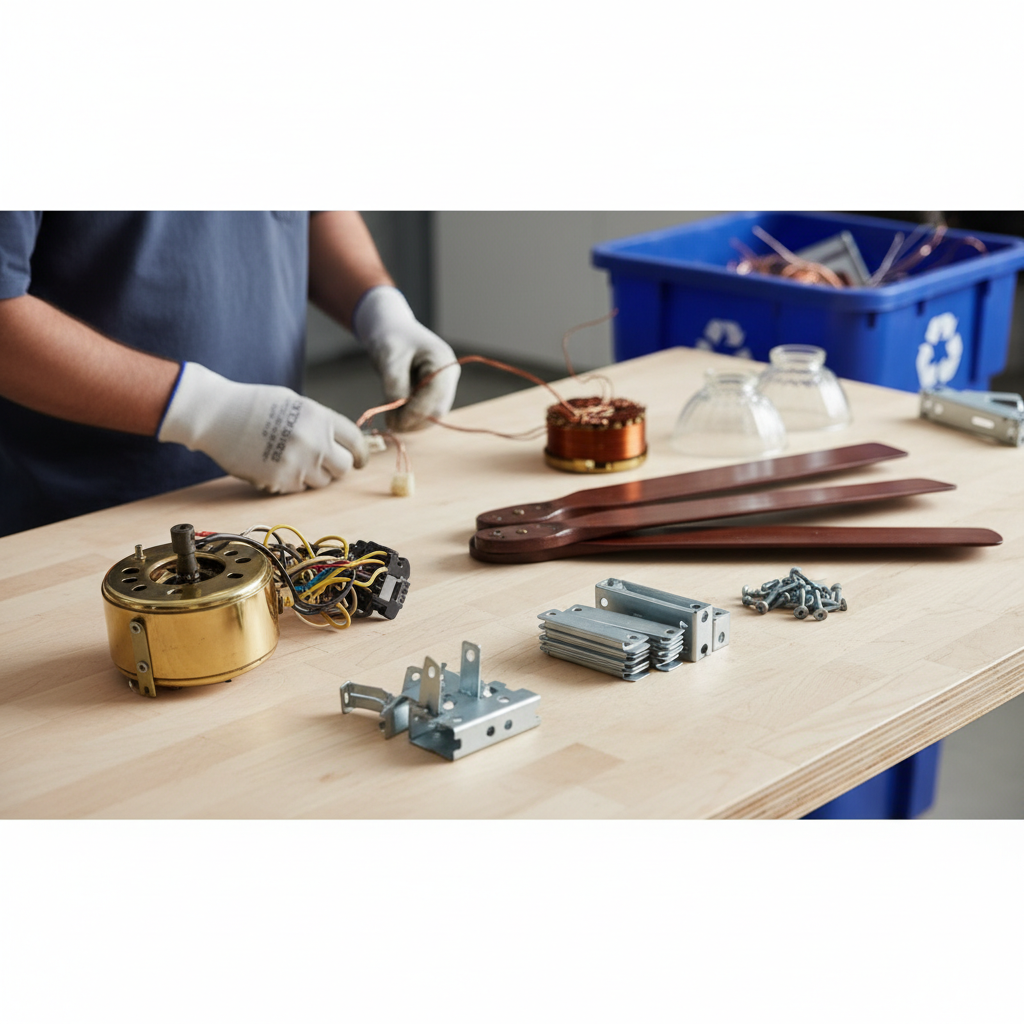
For disassembly, you’ll typically need a few basic tools: screwdrivers (Phillips and flathead), pliers, and potentially wire cutters. Start by removing the fan blades, usually attached with screws to blade arms. Next, detach any light kits and carefully remove light bulbs, as these often require separate disposal. Proceed to separate the motor housing from the downrod and mounting bracket, typically by removing a few screws or pins. Finally, if your fan has a remote control, remove its batteries. Categorize these separated components into piles: metals, plastics, wood, bulbs, and batteries, which will simplify the subsequent recycling process.
What Parts of a Ceiling Fan are Recyclable?
Ceiling fans are composite products, meaning they are made from a variety of materials, each with its own recycling potential. Understanding these components is key to maximizing what can be recovered and minimizing landfill waste.
- Metals: The motor housing, blade arms (if metal), downrod, and various screws and brackets are predominantly made of valuable metals like aluminum and steel. These are highly desirable materials for scrap metal yards, which can melt them down and repurpose them infinitely without significant loss of quality. Copper wiring found within the motor and electrical components is also a valuable scrap metal.
- Plastics: Many fan blades are made from plastic, as are decorative elements and some parts of the motor housing or flywheel. While some general plastic recycling facilities might accept certain types, specialized e-waste centers are better equipped to handle the diverse plastics found in appliances.
- Wood: If your fan features solid wood or plywood blades, these can often be repurposed for craft projects, used as kindling, or in some cases, composted if untreated. However, they are not typically integrated into electronics recycling streams.
- Electronics (Motor, Wiring, Circuit Boards): The core of the fan, its motor, contains a wealth of valuable materials, including copper windings and aluminum, alongside circuit boards. These components can also house capacitors and other elements that require careful processing due to potential hazardous materials. E-waste specialists are best equipped to handle these complex electronic parts, ensuring proper recovery of precious metals and safe disposal of harmful substances.
- Light Bulbs: Light bulbs require specific handling. Traditional incandescent bulbs cannot be recycled and should be disposed of in regular household trash. However, compact fluorescent lamps (CFLs) and fluorescent tubes contain mercury and must be taken to designated household hazardous waste collection sites or special recycling programs to prevent environmental contamination. LED bulbs are generally considered e-waste and can often be recycled with other electronics.
- Batteries: Any batteries from remote controls must be removed and recycled separately. Batteries, especially rechargeable types, can pose fire hazards if improperly discarded in general waste streams. Look for battery recycling drop-off points at retail stores or municipal facilities.
Options for Responsible Ceiling Fan Disposal
Once your ceiling fan is disassembled and its components are sorted, you have several responsible avenues for disposal, ensuring that valuable materials are recovered and hazardous ones are handled safely. The best option often depends on the fan’s condition and local recycling capabilities.
Donation and Resale (For Working Fans)
|
Our Picks for the Best Ceiling fan in 2026
As an Amazon Associate I earn from qualifying purchases.
|
||
| Num | Product | Action |
|---|---|---|
| 1 | addlon Ceiling Fans with Lights, 42 Inch Low Profile Ceiling Fan with Light and Remote Control, Flush Mount, Reversible, 3CCT, Dimmable, Quiet, Black Small Ceiling Fan for Bedroom Indoor/Outdoor Use |

|
| 2 | Amico Ceiling Fans with Lights, 42 inch Low Profile Ceiling fan with Light and Remote Control, Flush Mount, Reversible, 3CCT, Dimmable, Noiseless, Black Ceiling Fan for Bedroom, Indoor/Outdoor Use |
|
| 3 | ZMISHIBO Ceiling Fans with Lights and Remote, 19.7'' Low Profile Ceiling Fan, 3000-6000K Dimmable Modern Flush Mount LED Fan Light, 6 Wind Speeds, Black Fandelier Ceiling Fans for Bedroom |
|
| 4 | Ceiling Fans with Lights, 42 Inch Ceiling Fan with Light And Remote, 3CCT Flush Moun Low Profile Ceiling Fans, 6 Speed Noiseless LED Ceiling Fan, Black Ceilings Fan with Remote for Bedroom Living Room |
|
| 5 | Fanbulous 52 Inch Ceiling Fans with Lights and Remote, Stepless Color Temperature Change & Dimmable 20W LED Ceiling Fan, 6 Speeds Reversible Quiet DC Motor for Bedroom, Living Room, Apartment, Black |
|
| 6 | Passky Ceiling Fans with Lights, 52 inch Sleek Ceiling Fan with Light and Remote Control, 3CCT, Dimmable, Reversible, Noiseless, Black Ceiling Fan for Bedroom, Living Room |
|
| 7 | Ceiling Fans with Lights - 42 Inch Low Profile Ceiling Fan with Light and Remote, Reversible DC Motors, 3CCT Dimmable Timer Noiseless, Black Flush Mount Ceiling Fan for Bedroom/Living Room |
|
| 8 | Ceiling Fans with Lights, 52 Inch Modern Ceiling Fans with Lights and Remote Control, DC Reversible Motor, Noiseless, 3CCT, Ceiling Fan for Bedroom, Living Room, Apartment Indoor/Outdoor Use |
|
| 9 | ZMISHIBO 52 Inch Ceiling Fan with Light, App&Remote Control, Flush Mount Low Profile, Dimmable 20W LED Light, Quiet Reversible Motor for Bedroom, Living Room, Apartment, Black |
|
| 10 | Asyko 46" Low Profile Ceiling Fan with Light and Remote Control,Black Modern Flush Mount Ceiling Fan with Lights for Bedroom, Reversible, Dimmable, Noiseless |
|
If your old ceiling fan is still in good, working condition and aesthetically pleasing, consider giving it a second life. This is often the most environmentally friendly option, extending the product’s lifespan and reducing demand for new manufacturing. Organizations like Habitat for Humanity ReStores and local thrift stores such as Goodwill or The Salvation Army frequently accept gently used appliances and home goods. Many of these organizations offer pickup services for larger items, which can be a convenient option. Furthermore, local schools, community centers, or animal shelters might also benefit from a donated fan. For those looking to recoup some cost, selling a functional fan on online marketplaces like Craigslist or Facebook Marketplace is another viable option. Always call ahead to any potential recipient to confirm their current donation policies and ensure they can accept your specific item.
E-Waste Recycling Centers
For ceiling fans that are no longer functional or cannot be donated, specialized e-waste recycling centers are the ideal solution. These facilities are equipped to handle electronic waste, separating the various materials for proper recycling and safely managing any hazardous components. They use industrial processes to maximize material recovery, often with minimal energy consumption. When searching for a facility, it’s wise to look for certified e-waste recyclers who adhere to strict environmental standards. To find one near you, a quick online search for “e-waste recycling near me” or “electronics recycling” should provide several options.
Municipal Drop-Off Programs
Many cities and counties offer municipal drop-off programs or designated collection events for electronic waste. These programs provide residents with a convenient way to dispose of items like old ceiling fans responsibly. Some municipalities may have permanent e-waste collection sites, while others might organize periodic special collection days for hazardous waste or bulky items. Checking your local waste management authority’s website or calling their customer service line will provide specific information on available programs, locations, and accepted items in your area.
Retailer Take-Back Programs
A growing number of large electronics retailers are implementing take-back programs for old electronics, often regardless of where the item was purchased. National chains like Best Buy and Office Depot, for example, have recycling services for a wide range of electronic goods. These programs are designed to make recycling more accessible to consumers. Before visiting, it’s essential to verify the retailer’s current policies, as accepted items, quantities, and potential fees can vary by store and region. A quick check on their corporate website or a phone call can save you a trip.
Scrap Metal Facilities
If you’ve taken the time to disassemble your ceiling fan and have a significant amount of metal components (like the motor, metal blades, or downrod), local scrap metal facilities are an excellent option. These yards buy various types of scrap metal, including aluminum, steel, and copper, which are common in ceiling fans. This not only ensures the metals are recycled but can also provide a small financial return. Before heading to a scrap yard, call ahead to inquire about their accepted materials and current pricing for different types of metal.
Common Mistakes to Avoid When Disposing of Ceiling Fans
Even with the best intentions, it’s easy to make missteps when disposing of an old ceiling fan. Avoiding these common errors is crucial for truly responsible and environmentally sound practices.
Firstly, never toss a ceiling fan into your regular household trash. As established, fans are e-waste and contain components that can be harmful in landfills, contributing to pollution and wasting valuable resources. Similarly, do not place ceiling fans in your curbside recycling bin. These bins are typically designed for basic recyclables like paper, plastic bottles, and cans, not complex electronics made of multiple materials that require specialized processing. Such items can contaminate recycling streams and damage sorting machinery.
Another frequent mistake is failing to remove light bulbs or batteries before disposal or recycling. Light bulbs, especially CFLs and fluorescent tubes, contain mercury and must be handled as household hazardous waste. Batteries, particularly lithium-ion batteries from remotes, can be a fire hazard if crushed or damaged in waste processing. Always remove these items and dispose of them through dedicated recycling channels.
Finally, not checking local guidelines is a common oversight. Recycling rules and available programs vary significantly by municipality and even by neighborhood. What’s accepted in one city might be prohibited in another. Always consult your local waste management website or call them directly to confirm the correct disposal methods for ceiling fans and their components in your specific area.
Top Tips for Eco-Friendly Ceiling Fan Replacement
Making eco-conscious choices extends beyond just disposing of your old ceiling fan; it also includes thoughtful decisions when acquiring a new one. By adopting a “reduce, reuse, recycle” mindset throughout the entire lifecycle of your appliance, you can significantly lessen your environmental impact.
First and foremost, consider prioritizing repair over replacement if your current fan is experiencing minor issues. Often, a small repair can extend its lifespan by several years, preventing premature waste. If replacement is necessary, opt for energy-efficient ceiling fans, particularly those with an ENERGY STAR certification. These models are designed to use less electricity, saving you money on utility bills while reducing your carbon footprint over the fan’s operational life.
When choosing a new fan, you might also look into brands that offer take-back or recycling programs for their older models. Some manufacturers are committed to product stewardship and provide convenient ways for consumers to return end-of-life products. Lastly, if you have a creative flair, consider upcycling parts from your old fan for DIY projects. Blades can become unique shelving, and motor casings can be transformed into decorative pieces. This adds a unique touch to your home while keeping materials out of the waste stream.
Conclusion
The journey of an old ceiling fan doesn’t have to end in a landfill. By understanding the composition of these appliances and leveraging available recycling and donation channels, you can ensure a responsible and environmentally friendly disposal. Whether it’s through careful disassembly, donating a functional unit, or utilizing specialized e-waste centers, every effort contributes to conserving resources and protecting our planet from hazardous materials. Making informed choices about how we manage our household waste is a powerful step towards a more sustainable future.
What steps will you take to ensure your old ceiling fan finds a responsible new purpose?
Frequently Asked Questions
Can I put my old ceiling fan in my regular recycling bin?
No, ceiling fans are generally considered e-waste and should not be placed in curbside recycling bins. They contain various materials that require specialized processing to be recycled properly and can contaminate standard recycling streams.
What should I do with the light bulbs from my old ceiling fan?
Remove all light bulbs. Incandescent bulbs can typically go in the regular trash. However, CFLs and fluorescent bulbs contain mercury and must be recycled as household hazardous waste at designated drop-off points or special collection events to prevent environmental contamination.
Are there any organizations that accept working ceiling fans as donations?
Yes, organizations such as Habitat for Humanity ReStores, Goodwill, and The Salvation Army often accept working, gently used ceiling fans. It’s always best to call your local branch beforehand to confirm their current donation policies and acceptance criteria.
Why is it important to recycle the motor of a ceiling fan?
Ceiling fan motors contain valuable metals like copper and aluminum, as well as electronic components that can be recovered and reused. Recycling the motor prevents these resources from being wasted in landfills, reduces the need for new raw materials, and minimizes the environmental impact of new product manufacturing.
Can I get money for recycling parts of my old ceiling fan?
While you might not get paid for recycling an entire fan, disassembling it and taking significant metal components (like the motor or large metal blades) to a scrap metal yard could yield a small return, depending on current market prices for scrap metal and the quantity of material.