Welcome to the ultimate guide for selecting the perfect ceiling fan! As someone who has spent over a decade observing the evolution of these essential home appliances, from their basic beginnings to today’s sophisticated smart versions, I’ve seen firsthand how crucial the right fan can be for comfort and style. Choosing a ceiling fan isn’t merely about cooling a room; it’s about enhancing your living space, optimizing energy use, and even adding a touch of personal flair. This comprehensive guide will navigate you through the latest innovations and top-rated picks for 2026, ensuring you find a fan that perfectly complements your home and lifestyle.
What is a Ceiling Fan? An Overview of the Market
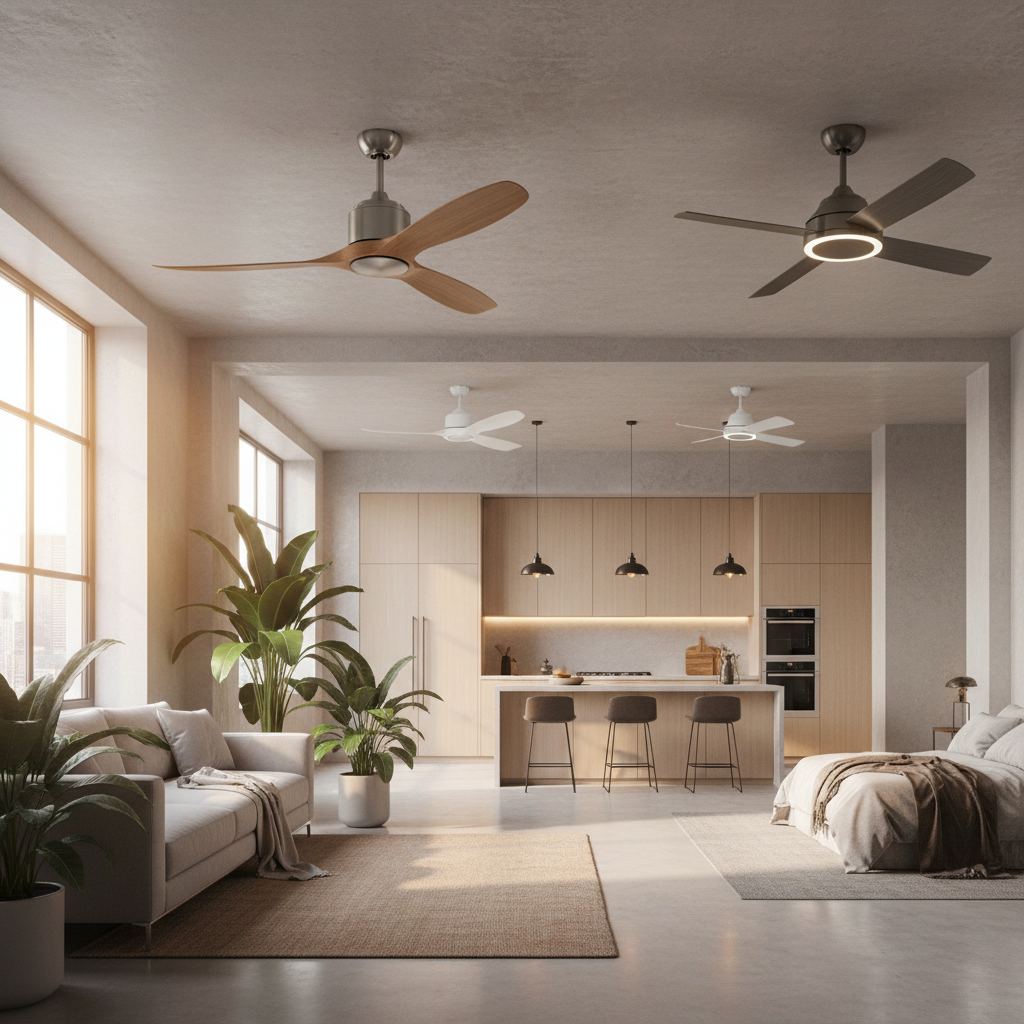
A ceiling fan is an electromechanical device, usually suspended from the ceiling of a room, that uses rotating blades to circulate air. Unlike air conditioners that cool air, ceiling fans create a wind-chill effect, making a room feel cooler and improving overall air circulation. Beyond mere functionality, modern ceiling fans have evolved into sophisticated design elements that contribute significantly to a room’s aesthetic.
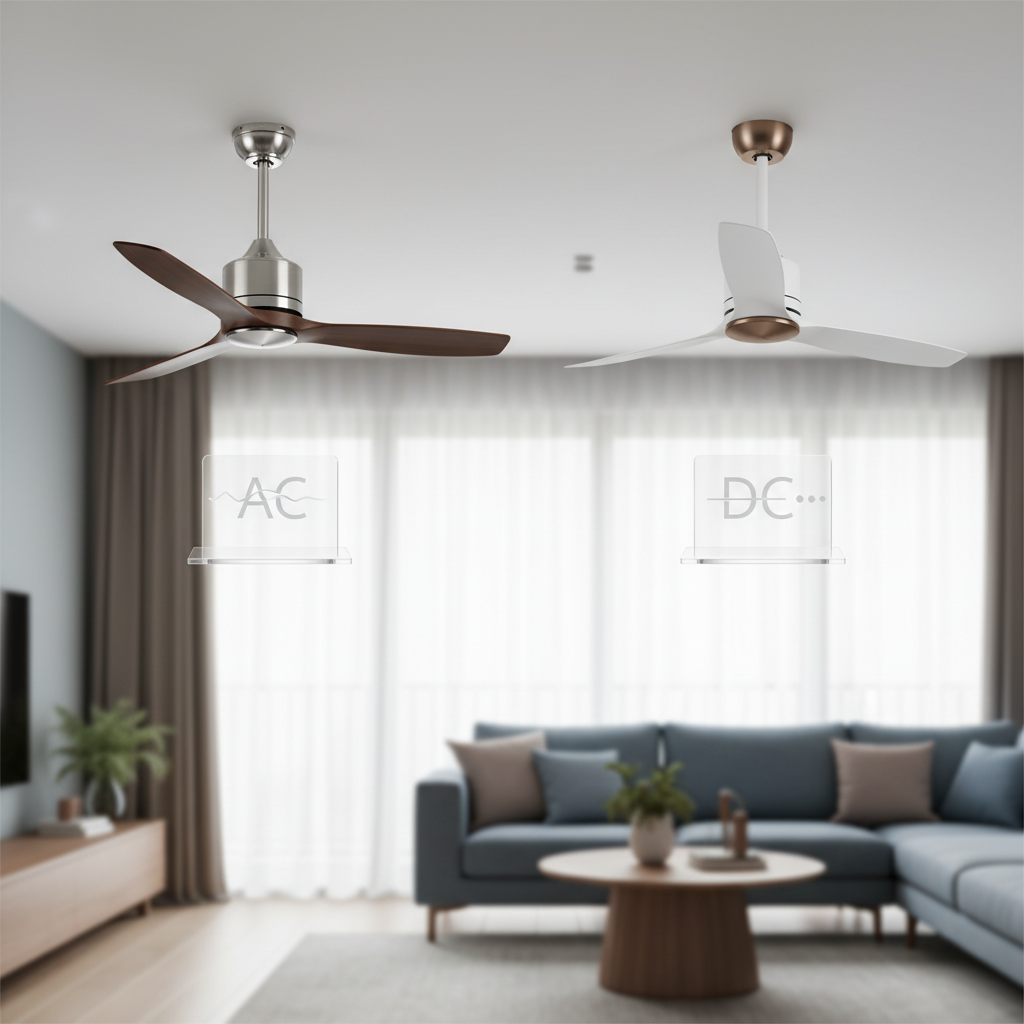
The ceiling fan market has transformed dramatically over the years. What began as simple, utilitarian devices primarily for air movement has blossomed into a diverse industry driven by technological advancements and evolving design trends. Early models were often bulky and noisy, but today’s fans boast quiet operation, energy efficiency, and seamless integration with smart home ecosystems. Key innovations include the widespread adoption of DC (Direct Current) motors for greater efficiency and quiet performance, integrated LED lighting, and smart controls that allow for remote operation via apps or voice commands.
Many reputable brands dominate the market, offering a wide array of choices to consumers. Names like Hunter, Honeywell, Hampton Bay, Dreo, Big Ass Fans, and Minka-Aire are consistently recognized for their quality, innovation, and diverse product lines, catering to various styles and budgets. These brands push the boundaries of design and technology, ensuring there’s a perfect ceiling fan for every homeowner.
Classifying Ceiling Fans by Functionality and Design
Ceiling fans are far from a one-size-fits-all solution, coming in numerous configurations to suit diverse needs and aesthetic preferences. Understanding these classifications is key to making an informed decision.
Ceiling Fans with Lights: Illumination and Airflow Combined
Ceiling fans with integrated lighting are a popular choice, offering dual functionality by providing both air circulation and ambient light.
- Pros: They are space-saving, eliminating the need for separate light fixtures, and often come with dimmable LED lights that allow for adjustable brightness and even color temperature control. Many feature energy-efficient LEDs, reducing electricity consumption.
- Cons: The light output might not be sufficient as the sole light source in very large rooms, and the design options can sometimes be limited compared to fans without lights. Replacing integrated LED components can also be more complex than changing a standard light bulb.
- Selection: When choosing, consider the type of lighting (e.g., diffused, spotlight), brightness (lumens), and color temperature (Kelvin) to match your room’s requirements. Models like the Honeywell Xerxes and Hampton Bay Glendale III are popular for their effective lighting solutions.
|
Our Picks for the Best Ceiling fan in 2026
As an Amazon Associate I earn from qualifying purchases.
|
||
| Num | Product | Action |
|---|---|---|
| 1 | ZMISHIBO 52 Inch Ceiling Fan with Light, App&Remote Control, Flush Mount Low Profile, Dimmable 20W LED Light, Quiet Reversible Motor for Bedroom, Living Room, Apartment, Black |

|
| 2 | Asyko 46" Low Profile Ceiling Fan with Light and Remote Control,Black Modern Flush Mount Ceiling Fan with Lights for Bedroom, Reversible, Dimmable, Noiseless |
|
| 3 | Passky Ceiling Fans with Lights, 52 inch Sleek Ceiling Fan with Light and Remote Control, 3CCT, Dimmable, Reversible, Noiseless, Black Ceiling Fan for Bedroom, Living Room |
|
| 4 | Ceiling Fans with Lights - 42 Inch Low Profile Ceiling Fan with Light and Remote, Reversible DC Motors, 3CCT Dimmable Timer Noiseless, Black Flush Mount Ceiling Fan for Bedroom/Living Room |
|
| 5 | Fanbulous 52 Inch Ceiling Fans with Lights and Remote, Stepless Color Temperature Change & Dimmable 20W LED Ceiling Fan, 6 Speeds Reversible Quiet DC Motor for Bedroom, Living Room, Apartment, Black |
|
| 6 | addlon Ceiling Fans with Lights, 42 Inch Low Profile Ceiling Fan with Light and Remote Control, Flush Mount, Reversible, 3CCT, Dimmable, Quiet, Black Small Ceiling Fan for Bedroom Indoor/Outdoor Use |
|
| 7 | Ceiling Fans with Lights, 52 Inch Modern Ceiling Fans with Lights and Remote Control, DC Reversible Motor, Noiseless, 3CCT, Ceiling Fan for Bedroom, Living Room, Apartment Indoor/Outdoor Use |
|
| 8 | ZMISHIBO Ceiling Fans with Lights and Remote, 19.7'' Low Profile Ceiling Fan, 3000-6000K Dimmable Modern Flush Mount LED Fan Light, 6 Wind Speeds, Black Fandelier Ceiling Fans for Bedroom |
|
| 9 | Amico Ceiling Fans with Lights, 42 inch Low Profile Ceiling fan with Light and Remote Control, Flush Mount, Reversible, 3CCT, Dimmable, Noiseless, Black Ceiling Fan for Bedroom, Indoor/Outdoor Use |
|
| 10 | Ceiling Fans with Lights, 42 Inch Ceiling Fan with Light And Remote, 3CCT Flush Moun Low Profile Ceiling Fans, 6 Speed Noiseless LED Ceiling Fan, Black Ceilings Fan with Remote for Bedroom Living Room |
|
Ceiling Fans Without Lights: Pure Performance and Minimalist Design
For rooms with ample existing lighting or those seeking a clean, minimalist look, fans without integrated lights are an excellent option.
- Pros: They often offer superior airflow efficiency due to a lighter motor housing, can be quieter, and allow for a more streamlined, unobtrusive aesthetic. They are also ideal for spaces where task lighting is handled by other fixtures, or where a decorative light fixture is already a prominent feature.
- Cons: You’ll need to ensure adequate alternative lighting in the room.
- Selection: Focus purely on performance, design, and motor quality. These fans can be great for bedrooms where maximum airflow and minimal visual clutter are desired. The Qutwob 52″ fan is an example of a no-light, high-performance option.
Decorative Ceiling Fans: Style Meets Substance
Decorative ceiling fans prioritize aesthetics, transforming a functional appliance into a statement piece. These fans often feature unique blade designs, exotic materials, and intricate finishes.
- Styles: They range from rustic farmhouse (e.g., Hunter Key Biscayne), elegant traditional, sleek modern (e.g., Hampton Bay Mena), to bold industrial-chic.
- Materials: Common materials include real wood blades (like walnut or koa, seen in Sofucor or Yahada fans), brushed nickel, matte black, oil-rubbed bronze finishes, and even distressed metal accents.
- Suitable Spaces: These fans are perfect for living rooms, dining areas, or master bedrooms where the fan serves as a central design element. Consider the overall decor of your room to choose a fan that blends seamlessly or stands out as a focal point.
Industrial Ceiling Fans: Power for Large Spaces
Designed for utility and high-volume air movement, industrial ceiling fans are built to cool large, open spaces efficiently.
- Characteristics: They typically feature larger blade spans (60 inches or more), robust motors for powerful airflow (high CFM ratings), and durable construction. While not always decorative, modern industrial fans can offer a clean, functional aesthetic.
- Applications: Ideal for garages, workshops, large open-concept living areas, or commercial spaces.
- Buying Considerations: Prioritize CFM, motor durability, and appropriate sizing for the expansive area. The Big Ass Fans Haiku L, though also smart, often provides industrial-grade performance.
Smart Ceiling Fans: The Future of Home Comfort
Smart ceiling fans represent the cutting edge of fan technology, offering unparalleled convenience and energy efficiency through intelligent controls.
- Features: These fans can be controlled via smartphone apps, voice assistants (like Alexa or Google Home), or integrated with broader smart home ecosystems (like Nest or Ecobee). Common features include multiple speed settings, reversible airflow, dimmable and color-changing LED lights, scheduling, and even adaptive technologies that adjust fan speed based on room temperature or occupancy.
- Benefits: Enhanced convenience, precise control over comfort, and potential energy savings through optimized operation. Many smart fans utilize ultra-quiet BLDC (Brushless DC) motors, known for their energy efficiency and silent performance.
- Integration: Brands like Dreo, Atomberg Renesa Smart+, LG Smart Inverter, and Smafan Essex offer excellent smart capabilities, allowing you to manage your home’s climate with ease.
Comparing Popular Ceiling Fan Types
To help you visualize the differences, here’s a comparison of common ceiling fan types based on key attributes:
| Feature/Type | Standard Mount | Hugger/Flush Mount | Smart Fan (e.g., Dreo Smart) | Outdoor/Damp Rated | Industrial (e.g., Big Ass Fans) |
|---|---|---|---|---|---|
| Ceiling Height | 9+ feet | 8 feet or less | Any, depending on model | Any, depending on model | 10+ feet |
| Blade Span | 42-60+ inches | 36-52 inches | 42-70+ inches | 52-70+ inches | 60-90+ inches |
| Motor Type | AC or DC | AC or DC | Predominantly DC/BLDC | AC or DC | Often high-efficiency DC |
| Key Features | Variety of styles, lights | Space-saving, low profile | App/voice control, automation | Weather-resistant, durable | High CFM, robust construction |
| Energy Efficiency | Moderate to High | Moderate to High | Very High (BLDC motors) | Moderate to High | High efficiency for airflow |
| Noise Level | Moderate to Quiet | Moderate to Quiet | Very Quiet | Moderate to Quiet | Moderate to Quiet for size |
| Typical Price Range | $100 – $400 | $80 – $300 | $150 – $1000+ | $200 – $800+ | $500 – $2000+ |
| Best For | General living spaces | Low ceilings, bedrooms | Tech-savvy homes, maximum comfort | Patios, porches, bathrooms | Garages, large open rooms, commercial |
Your Ultimate Guide to Choosing the Right Ceiling Fan
Selecting the ideal ceiling fan can feel daunting with so many options. By focusing on your specific needs and understanding key fan specifications, you can confidently make the best choice for your home.
Assessing Your Needs: Room Size and Purpose
The first step is to consider where the fan will be installed and what you expect it to do.
- Room Size: This is paramount. A fan that’s too small won’t circulate air effectively, while one that’s too large can overpower a room. Measure your room’s square footage to determine the appropriate blade span.
- Purpose: Do you need primary illumination, or is the fan purely for air movement? Is quiet operation essential (e.g., in a bedroom)? Will it be used indoors or in a covered outdoor space (requiring a damp or wet rating)?
Selecting the Right Fan Size: Blade Span Chart
The “size” of a ceiling fan refers to its blade span, which is the total diameter covered by the rotating blades. Use this guide to match fan size to room dimensions:
| Room Size (Square Feet) | Recommended Blade Span (Inches) |
|---|---|
| Up to 75 (Small Room, e.g., Bathroom, Small Bedroom) | 29-36 |
| 76-144 (Medium Room, e.g., Standard Bedroom, Office) | 42-48 |
| 144-225 (Large Room, e.g., Living Room, Master Bedroom) | 52-56 |
| 225-400 (Great Room, Open Concept Spaces) | 60-72 |
| 400+ (Very Large Spaces) | Multiple fans or 72+ |
Additionally, ceiling height plays a critical