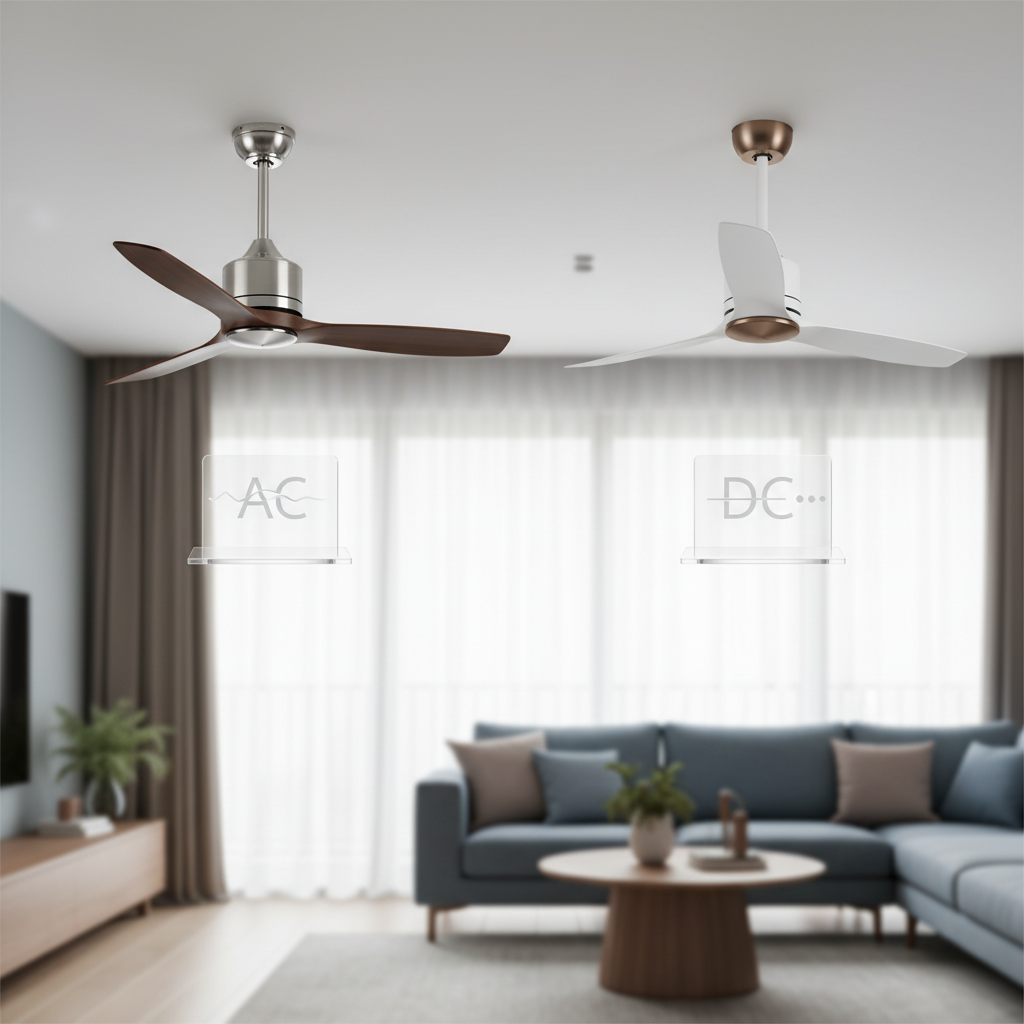
Choosing the perfect ceiling fan for your kitchen or dining area goes beyond just aesthetics; it’s about creating a comfortable, functional, and stylish environment. From combating cooking heat and odors to setting the right ambiance for family meals, the right ceiling fan can significantly enhance your home. With a plethora of options available, from sleek, modern designs to smart, energy-efficient models, navigating the choices can be overwhelming. This guide aims to simplify your decision, helping you find a ceiling fan that perfectly balances performance, design, and your unique lifestyle needs for these vital spaces.
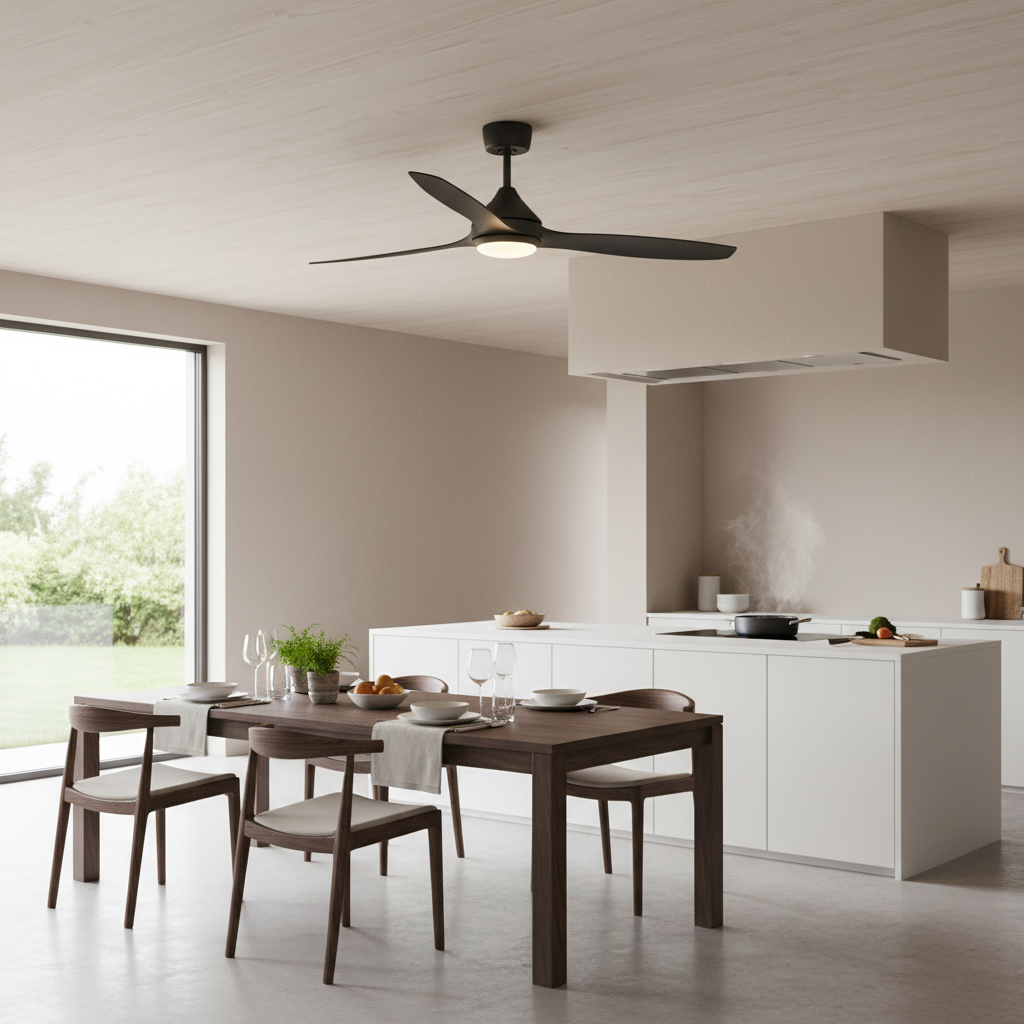
What are Ceiling Fans? An Overview of the Market
A ceiling fan is an electromechanical device mounted on the ceiling of a room, using hub-mounted rotating paddles (blades) to circulate air. Beyond their primary function of cooling by creating a wind-chill effect, modern ceiling fans have evolved into sophisticated fixtures that integrate lighting, smart controls, and diverse aesthetic elements. In kitchens and dining rooms, they play a crucial dual role: providing essential air circulation to manage temperature and odors, and acting as a central design element that complements the room’s decor.
The market for ceiling fans has seen significant innovation over the years, moving from simple, utilitarian devices to advanced models that incorporate energy-efficient DC motors, integrated LED lighting, and smart home compatibility. This evolution caters to varying consumer demands, offering solutions for every room size, ceiling height, and design preference. Prominent brands such as Hunter, Minka-Aire, Honeywell, Kichler, and Craftmade consistently lead the industry, offering a wide array of reliable and stylish options tailored for specific home environments, including the unique demands of kitchens and dining areas.
Classifying Ceiling Fans by Function and Design
Ceiling fans can be broadly categorized based on their functional features and design aesthetics, each suited to different needs and interior styles. Understanding these classifications is key to making an informed choice for your kitchen or dining space.
Ceiling Fans with Lights: Pros, Cons, and Choices
Ceiling fans equipped with integrated light kits are a highly popular choice, particularly for kitchens and dining rooms where overhead illumination is often essential. These fans offer a practical two-in-one solution, combining air circulation with ambient or task lighting.
Pros:
- Space-saving: Eliminates the need for separate lighting fixtures, ideal for rooms with limited ceiling space or when a clean, uncluttered look is desired.
- Convenience: A single fixture controls both air movement and illumination, often via a single remote or wall control.
- Enhanced Ambiance: Many models feature dimmable LED lights and adjustable color temperatures, allowing you to tailor the lighting to different activities—bright for cooking, warm for dining.
Cons:
- Design Limitations: The integrated light fixture might limit the fan’s overall design flexibility compared to fans without lights.
- Brightness Capacity: Some integrated lights, especially those in smaller units, might not provide sufficient illumination for larger rooms, potentially requiring supplemental lighting.
- Bulb Replacement: Changing bulbs in some integrated units can be more complex than standard fixtures.
|
Our Picks for the Best Ceiling fan in 2026
As an Amazon Associate I earn from qualifying purchases.
|
||
| Num | Product | Action |
|---|---|---|
| 1 | ZMISHIBO 52 Inch Ceiling Fan with Light, App&Remote Control, Flush Mount Low Profile, Dimmable 20W LED Light, Quiet Reversible Motor for Bedroom, Living Room, Apartment, Black |

|
| 2 | addlon Ceiling Fans with Lights, 42 Inch Low Profile Ceiling Fan with Light and Remote Control, Flush Mount, Reversible, 3CCT, Dimmable, Quiet, Black Small Ceiling Fan for Bedroom Indoor/Outdoor Use |
|
| 3 | Passky Ceiling Fans with Lights, 52 inch Sleek Ceiling Fan with Light and Remote Control, 3CCT, Dimmable, Reversible, Noiseless, Black Ceiling Fan for Bedroom, Living Room |
|
| 4 | Ceiling Fans with Lights, 52 Inch Modern Ceiling Fans with Lights and Remote Control, DC Reversible Motor, Noiseless, 3CCT, Ceiling Fan for Bedroom, Living Room, Apartment Indoor/Outdoor Use |
|
| 5 | Amico Ceiling Fans with Lights, 42 inch Low Profile Ceiling fan with Light and Remote Control, Flush Mount, Reversible, 3CCT, Dimmable, Noiseless, Black Ceiling Fan for Bedroom, Indoor/Outdoor Use |
|
| 6 | Ceiling Fans with Lights - 42 Inch Low Profile Ceiling Fan with Light and Remote, Reversible DC Motors, 3CCT Dimmable Timer Noiseless, Black Flush Mount Ceiling Fan for Bedroom/Living Room |
|
| 7 | Fanbulous 52 Inch Ceiling Fans with Lights and Remote, Stepless Color Temperature Change & Dimmable 20W LED Ceiling Fan, 6 Speeds Reversible Quiet DC Motor for Bedroom, Living Room, Apartment, Black |
|
| 8 | Asyko 46" Low Profile Ceiling Fan with Light and Remote Control,Black Modern Flush Mount Ceiling Fan with Lights for Bedroom, Reversible, Dimmable, Noiseless |
|
| 9 | ZMISHIBO Ceiling Fans with Lights and Remote, 19.7'' Low Profile Ceiling Fan, 3000-6000K Dimmable Modern Flush Mount LED Fan Light, 6 Wind Speeds, Black Fandelier Ceiling Fans for Bedroom |
|
| 10 | Ceiling Fans with Lights, 42 Inch Ceiling Fan with Light And Remote, 3CCT Flush Moun Low Profile Ceiling Fans, 6 Speed Noiseless LED Ceiling Fan, Black Ceilings Fan with Remote for Bedroom Living Room |
|
Choices: For kitchens, look for models with bright, dimmable LEDs that can switch to cooler color temperatures for task lighting, like the Hunter Minimus Low Profile with LED Light. For dining rooms, warmer, dimmable light options, such as those found in the Genoxygic Oak Wood Ceiling Fan, create a more inviting atmosphere.
Ceiling Fans Without Lights: Pros, Cons, and Choices
For spaces where existing lighting is sufficient or a minimalist aesthetic is preferred, ceiling fans without integrated lights offer a sleek and often more powerful alternative.
Pros:
- Minimalist Design: Their streamlined appearance often blends seamlessly into modern or contemporary interiors, focusing purely on air movement.
- Potentially Better Airflow: Without a light kit, the motor housing can be more compact, sometimes allowing for more efficient blade design and greater airflow.
- Flexibility: Allows you to pair the fan with separate, complementary lighting fixtures, offering more control over your room’s overall lighting design.
Cons:
- Requires Separate Lighting: You’ll need to ensure adequate lighting from other sources, which might involve installing additional fixtures.
- Limited Functionality: Lacks the convenience of an all-in-one unit.
Choices: These fans are excellent for dining rooms with statement chandeliers or kitchens with ample recessed lighting. Their unobtrusive design ensures they don’t detract from other decorative elements.
Decorative Ceiling Fans: Styles, Materials, and Suitable Spaces
Decorative ceiling fans prioritize aesthetics, acting as significant style statements in a room. These fans come in a vast array of designs, from traditional to ultra-modern, using diverse materials to complement any decor.
Styles:
- Modern/Contemporary: Characterized by clean lines, minimalist aesthetics, and materials like brushed nickel, stainless steel, or matte black. Examples include the Minka-Aire Light Wave with its unique, sculptural blades.
- Traditional/Classic: Often feature rich wood finishes, intricate metalwork, and ornate detailing, perfect for homes with vintage or classic decor, like the WindCrest Classic dining fan.
- Farmhouse/Rustic: Incorporate distressed wood, antique bronze, and industrial-inspired elements, creating a cozy yet chic ambiance, such as the Genoxygic Oak Wood Ceiling Fan.
- Fandeliers (Chandelier Fans): A hybrid of a chandelier and a ceiling fan, these integrate small, often retractable blades with elaborate light fixtures, offering elegance with air circulation. The Black Fandelier Flush Mount is a prime example.
Materials:
- Wood: Classic and versatile, lending warmth and elegance. Available in various finishes (e.g., oak, walnut, distressed koa). Best for dining rooms and traditional kitchens.
- Metal: Sleek, modern, and highly durable. Easy to clean, making it ideal for kitchen environments where grease and dust accumulate.
- Composite/ABS Plastic: Offers durability, resistance to moisture, and diverse finish options. Excellent for kitchens due to ease of cleaning and moisture resistance.
Suitable Spaces: Decorative fans are particularly impactful in dining rooms, where they can serve as a focal point. In kitchens, they can enhance the overall theme, from a sleek, minimalist culinary space to a rustic, inviting hub.
Industrial-Style Ceiling Fans: Characteristics, Applications, and Buying Tips
Industrial-style ceiling fans are robust, often larger, and designed for powerful airflow, with a distinctive utilitarian aesthetic. They typically feature metal components and exposed elements.
Characteristics:
- Robust Construction: Built for durability and performance, often with metal blades and housings.
- High Airflow (CFM): Designed to move a significant volume of air, ideal for larger spaces or areas requiring strong ventilation. The Kichler Starkk is known for its high CFM rating.
- Distinct Aesthetic: Characterized by exposed hardware, cages, and finishes like matte black, natural brass, or distressed metals.
Applications: These fans are excellent for large, open-concept kitchens or dining areas with high ceilings, industrial-chic decor, or those that frequently experience high heat and need rapid air circulation. The Haoyu Ceiling Fan with its black cage design brings industrial charm to kitchens.
Buying Tips:
- Size: Ensure the fan’s size and airflow capacity match the room’s dimensions to avoid over or under-ventilation.
- Noise Level: While powerful, some industrial fans can be louder. Check reviews for noise levels, especially if using it in a dining area.
- Mounting: Many industrial fans come with downrods, making them suitable for higher ceilings. Ensure your ceiling height can accommodate it.
Comparative Table of Popular Ceiling Fan Types
| Feature | Ceiling Fan with Lights | Ceiling Fan Without Lights | Decorative Ceiling Fan | Industrial-Style Ceiling Fan |
|---|---|---|---|---|
| Primary Use | Dual function: airflow & illumination | Airflow (when separate lighting exists) | Aesthetic enhancement & airflow | Powerful airflow & specific aesthetic |
| Best For | Rooms needing both cooling & overhead lighting; compact spaces | Rooms with existing sufficient lighting; minimalist designs | Dining rooms, formal living areas, themed kitchens | Large, open kitchens; high ceilings; industrial decor |
| Aesthetics | Varies widely, integrated light may influence design | Sleek, minimalist, unobtrusive | Wide range: modern, traditional, farmhouse, fandelier | Robust, utilitarian, metal finishes, exposed elements |
| Light Source | Integrated LED (often dimmable, color-adjustable) | None | Integrated LED (fandeliers) or none | Often none, but some industrial-look fans have integrated lights |
| Control | Remote, wall control, smart app | Remote, wall control, pull chain | Remote, wall control, smart app | Pull chain, remote, wall control |
| Noise Level | Generally quiet to moderate | Can be very quiet (fewer obstructions) | Varies based on motor and design | Can be louder due to powerful motors, but many are quiet |
| Typical Cost | Medium to High | Low to Medium | Medium to Very High | Medium to High |
| Installation | Standard, may involve more wiring for light | Standard, simpler wiring | Standard, may require careful handling of ornate elements | Standard, often heavier; may require specific mounting |
Guide to Choosing the Right Ceiling Fan
Selecting the ideal ceiling fan for your kitchen or dining room involves careful consideration of several practical and aesthetic factors.
Assessing Your Needs: Room Size, Ceiling Height, and Purpose
The first step is to accurately assess the dimensions and characteristics of your space, as well as the fan’s intended primary purpose.
- Room Size: The square footage of your room dictates the appropriate blade span for optimal air circulation.
- Small rooms (up to 75 sq ft): Fans with 29-36 inch blade spans.
- Medium rooms (76-144 sq ft): Fans with 36-42 inch blade spans.
- Large rooms (145-225 sq ft): Fans with 44-50 inch blade spans.
- Extra-large rooms (over 225 sq ft): Fans with 50-54 inches or more.
- For kitchens specifically, under 150 sq ft, a 36-42 inch fan is ideal, while 150-300 sq ft requires 44-50 inch fans.
- Ceiling Height: This determines the mounting type.
- Low Ceilings (8 feet or less): Flush mount or “hugger” fans are essential to ensure adequate head clearance (at least 7 feet from the floor to the blades). The Hunter Minimus and Lowe’s Antoine Bladeless are excellent low-profile options.
- Standard Ceilings (9 feet): A short downrod (3-6 inches) often works best to position the blades for optimal airflow (8-9 feet from the floor).
- High Ceilings (10 feet or more): Longer downrods are necessary to bring the fan closer to the living space for effective cooling.
- Purpose:
- Kitchens: Focus on strong airflow for ventilation, easy-to-clean materials, and often integrated task lighting to reduce heat and clear cooking odors.
- Dining Rooms: Prioritize quiet operation, aesthetic appeal that complements the decor, and dimmable lighting for ambiance.
AC vs. DC Motors: Efficiency and Performance
The type of motor significantly impacts a ceiling fan’s performance, energy consumption, and noise level.
- AC Motors (Alternating Current): These are traditional motors, generally more affordable. They offer fewer speed settings (typically 3) and can be slightly louder than DC motors. AC fans are reliable but consume more energy.
- DC Motors (Direct Current): Represent a newer technology, offering superior energy efficiency (up to 70% less power consumption), quieter operation, and more speed options (often 6 or more). They are generally more expensive upfront but save on energy bills and provide a more serene environment. Many smart fans feature DC motors. For frequent use in a kitchen or a noise-sensitive dining area, a DC fan, like the Sofucor Wood Ceiling Fan or Cedar Ceiling Fan, usually performs better long-term.
Blade Materials: Durability, Aesthetics, and Easy Maintenance
The material of the fan blades influences both the fan’s visual appeal and its functional suitability for a particular room.
- Wood: Offers a classic, warm, and elegant look. Ideal for traditional or rustic dining rooms and kitchens. However, wood can be more susceptible to warping in high humidity and might require more careful cleaning in a greasy kitchen environment.
- Metal: Provides a sleek, modern, and industrial aesthetic. Metal blades are highly durable and, crucially for kitchens, very easy to clean and resistant to grease buildup.
- Composite/ABS Plastic: Made from synthetic materials, these blades are highly durable, resistant to moisture, and available in a wide array of finishes and designs. Their resilience and ease of cleaning make them an excellent choice for kitchens.
For kitchens, prioritizing easy-to-clean materials like metal or ABS plastic is advisable to combat grease and cooking residue.
Essential Features to Consider: Controls, Dimmable Lighting, and Reversible Function
Modern ceiling fans come with a host of features designed to enhance convenience and comfort.
- Control Options:
- Pull Chains: Simple, traditional, and reliable, but less convenient for frequent adjustments.
- Remote Controls: Offer convenience, allowing you to adjust fan speed and light settings from anywhere in the room. Many top-rated fans, like the Hunter Minimus, include remotes.
- Wall Controls: Hard-wired into the wall, providing a clean, integrated look.
- Smart Features: Integration with smart home systems (e.g., Alexa, Google Home, Siri) allows for voice control and app-based operation. This is particularly useful in kitchens when your hands are full, as seen with the Sofucor Wood Ceiling Fan.
- Dimmable Lighting: Essential for dining rooms to set the mood and highly beneficial in kitchens for transitioning between bright task lighting and softer ambient light. Adjustable color temperature (warm to cool white) is another valuable lighting feature.
- Reversible Function: This feature allows the fan blades to rotate in both directions. Counter-clockwise rotation creates a downdraft, producing a cooling breeze in summer. Clockwise rotation creates an updraft, pushing warm air down from the ceiling in winter, helping to circulate heat and improve energy efficiency year-round. Many fans, including the Lowe’s Antoine Bladeless and Haoyu Ceiling Fan, offer this.
Noise Levels: Ensuring a Serene Environment
A quiet fan is paramount, especially in dining rooms where conversations occur, and in kitchens where you might want to hear sizzling pans without fan noise interference.
- DC Motors: Generally operate much quieter than AC motors.
- High-Quality Bearings: Contribute to smoother, quieter blade rotation.
- Blade Design: Aerodynamically designed blades can minimize air resistance and noise.
- Customer Reviews: Check reviews for real-world feedback on noise levels. “Whisper-quiet” or “silent operation” features are often highlighted for models like the Hunter Minimus or Cedar Ceiling Fan.
Top-Rated Ceiling Fans for Kitchens and Dining
Here are some top-performing ceiling fans that excel in the unique environments of kitchens and dining rooms:
- Hunter Minimus Low Profile with LED Light and Remote Control: Ideal for kitchens with low ceilings, this fan offers an ultra-slim profile, silent WhisperWind® technology, and a dimmable LED light. Its compact 44-inch span provides ample airflow for most cooking areas.
- Lowe’s Antoine Bladeless Enclosed Smart Ceiling Fan: A compact solution for smaller kitchens, this smart fan features an enclosed caged design that protects the motor from grease. Its reversible DC motor and adjustable LED light (3000K to 6500K) provide year-round comfort and versatile lighting, controllable via an app.
- Sofucor Wood Ceiling Fan With Smart Control: Combining natural wood aesthetics with cutting-edge smart technology, this fan integrates with Alexa, Google Home, and Siri for hands-free voice control. Its 6-speed DC motor ensures precise, whisper-quiet airflow, making it perfect for modern kitchens and dining areas.
- Kichler Starkk Natural Brass LED Ceiling Fan: A sophisticated choice for larger, open-concept kitchens, this fan boasts a natural brass finish and delivers impressive 4,051 CFM airflow. Its reversible cherry wood blades offer design flexibility, and powerful LED illumination ensures bright task lighting.
- Cedar Ceiling Fan with Light Remote and Reversible Blades: An excellent budget-friendly option, this fan doesn’t compromise on performance. It features a sleek design, a 10-speed energy-efficient DC motor, and quiet, wobble-free operation, suitable for various kitchen styles.
- Black Fandelier Flush Mount Ceiling Fan with Lights and Remote: This innovative “fandelier” eliminates traditional blades for a safer, modern approach. Its track lighting design with adjustable caged shades directs light precisely, and six speed settings with timer functions offer complete control, ideal for a contemporary kitchen or dining area.
- AeroBreeze Elegant (Dining): A top pick for modern dining rooms, featuring a sleek, minimalist design with energy-efficient LED lighting, perfect for contemporary aesthetics.
- WindCrest Classic (Dining): Known for its exquisite wood finish and traditional iron accents, this fan beautifully complements vintage dining room decor.
- BreezeMaster Silence Pro (Dining): Offers superior quiet performance with its DC motor, making it ideal for noise-sensitive dining areas where conversations should remain undisturbed.
Installation and Maintenance Tips for Ceiling Fans
Proper installation and regular maintenance are crucial for ensuring the safety, efficiency, and longevity of your ceiling fan.
Installation Steps (Safety First!):
- Safety Disconnect: Always turn off power at the circuit breaker before beginning any electrical work.
- Mounting Support: Ensure the ceiling electrical box is rated for ceiling fan support (typically 35-50 lbs). If not, install a fan-rated brace or box.
- Assembly: Assemble the fan according to the manufacturer’s instructions, attaching blades and light kits.
- Wiring: Connect the fan’s wires to the house wiring (usually black to black, white to white, ground to ground). For fans with lights, there might be an additional wire for separate light control.
- Secure Mounting: Attach the fan’s canopy to the mounting bracket, ensuring all screws are tightened securely.
- Test: Restore power and test all functions (fan speeds, light on/off, dimming).
- Professional Help: If you’re unfamiliar with electrical work, it’s highly recommended to hire a licensed electrician to prevent potential mishaps and ensure safe, efficient operation.
Maintenance for Longevity:
- Regular Cleaning: Dust accumulates quickly on fan blades and housing. Clean blades regularly with a soft, damp cloth to prevent buildup, which can cause imbalance and reduce efficiency. For kitchen fans, use a mild degreaser to tackle grease.
- Tighten Screws: Periodically check and tighten all screws on the blades, downrod, and mounting bracket. Loose screws can lead to wobbling and noise.
- Blade Balance: If the fan wobbles excessively, use a balancing kit (often included with the fan) to correct the imbalance. This involves adding small weights to the blades until the wobble stops.
- Motor Lubrication: Most modern ceiling fans have sealed, self-lubricating motors that don’t require oiling. However, older models might need occasional lubrication; consult your user manual.
- Light Bulbs: Replace light bulbs as needed. Opt for energy-efficient LED bulbs for longevity and lower energy consumption.
Conclusion
Selecting the best ceiling fan for your kitchen and dining areas is a strategic decision that profoundly impacts comfort, functionality, and aesthetic appeal. Whether you prioritize powerful ventilation to manage cooking odors, whisper-quiet operation for intimate dining, or smart features for ultimate convenience, there’s a perfect fan out there to meet your specific needs. By carefully considering factors such as room size, ceiling height, motor type, blade materials, and essential features like lighting and controls, you can make an informed choice that enhances your living experience.
Remember, the right ceiling fan not only cools and circulates air but also serves as a crucial element of your home’s design, seamlessly blending form and function. Are you ready to transform your kitchen and dining spaces into comfortable, stylish, and efficient havens?
Câu Hỏi Thường Gặp
What size ceiling fan do I need for my kitchen?
For kitchens under 150 square feet, a fan with a 36-42 inch blade span is generally ideal. Larger kitchens, ranging from 150 to 300 square feet, typically require 44-50 inch fans for optimal airflow. Ensure the fan’s blades maintain at least 18-24 inches of clearance from walls and cabinets for effective air circulation.
Are DC or AC ceiling fans better for a kitchen/dining?
DC (Direct Current) ceiling fans are generally considered better for kitchens and dining areas. They are significantly more energy-efficient, consuming up to 70% less power than AC (Alternating Current) fans, which translates to lower electricity bills. Additionally, DC motors operate much quieter, making them ideal for noise-sensitive dining rooms and for maintaining a peaceful kitchen environment.
What’s the best type of ceiling fan for a kitchen with low ceilings?
For kitchens with low ceilings (8 feet or less), a flush-mount or “hugger” ceiling fan is the best option. These fans are designed to sit snugly against the ceiling, providing adequate head clearance and preventing obstruction. Many hugger fans also include integrated light kits, offering a practical two-in-one solution for small spaces.
How many blades are ideal for a kitchen ceiling fan?
The ideal number of blades for a kitchen ceiling fan typically ranges from three to five. Fans with three blades tend to spin faster and can move a greater volume of air, making them efficient for ventilation. Four or five blades generally offer quieter operation and a more traditional aesthetic. The choice often depends on balancing airflow needs with desired noise levels and design preference.
How do I keep my kitchen ceiling fan clean?
To keep your kitchen ceiling fan clean, regularly wipe the blades and housing with a soft, damp cloth to remove dust and grease. For stubborn grease, use a mild dish soap solution or a specialized degreaser. Ensure the fan is turned off and completely still before cleaning. Periodic cleaning not only maintains aesthetics but also prevents imbalance and ensures efficient operation.
Can I use a regular ceiling fan in a dining room?
Yes, you can absolutely use a “regular” indoor ceiling fan in a dining room. The key is to select one that is appropriately sized for the room, operates quietly, and complements your dining room’s aesthetic. Many fans offer dimmable lighting and decorative styles that are perfect for enhancing the ambiance of a dining space.