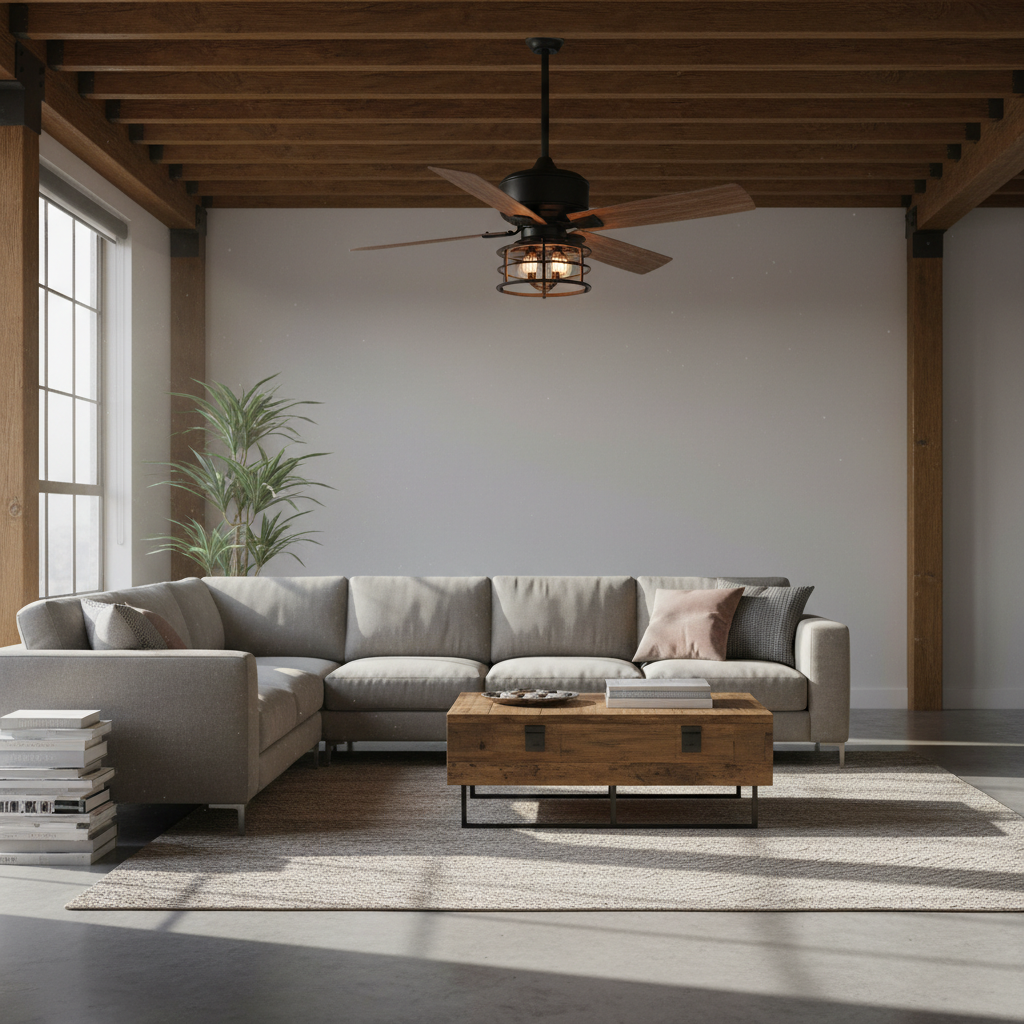
Choosing the right fan for your home or workspace often comes down to more than just aesthetics; the material of its blades plays a crucial role in performance, durability, and overall user experience. With various options available, the debate between metal and plastic fan blades is a common one. This comprehensive guide will delve into the intricacies of both materials, helping you understand their unique characteristics, benefits, and drawbacks to make an informed decision for your cooling needs.
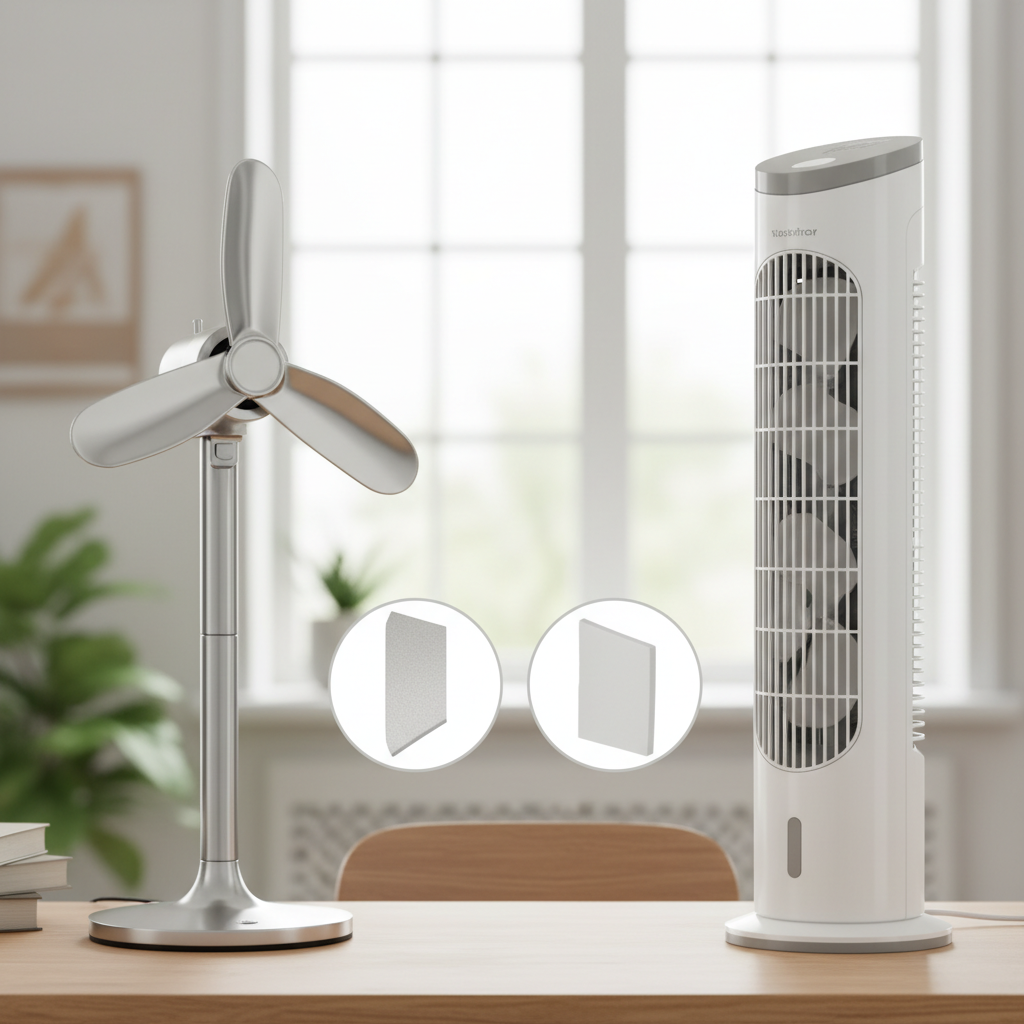
Understanding Fan Blade Materials: An Overview
Fan blades are the heart of any fan, responsible for moving air and creating that much-needed breeze. From simple desk fans to robust industrial units, the evolution of fan technology has seen a variety of materials employed to optimize airflow, minimize noise, and enhance longevity. While some specialized fans might feature wood or composite materials, metal and plastic remain the two most prevalent choices for their distinct properties and wide range of applications. Understanding what each material brings to the table is the first step in selecting a fan that perfectly aligns with your environment and expectations.
Metal Fan Blades: Power and Durability
Metal fan blades are often associated with strength and robust performance, typically found in industrial settings or larger fans designed for powerful air circulation. Their inherent rigidity and weight contribute to their distinct operational characteristics.
Advantages of Metal Blades:
- Stronger Airflow and Higher Air Volume: Metal blades, being stiffer and heavier, are exceptionally efficient at cutting through air. This results in a powerful, stable, and high-volume airflow, making them ideal for cooling large rooms, open spaces, or industrial environments where significant air movement is required.
- Exceptional Durability and Longevity: Known for their resilience, metal blades can withstand considerable wear and tear, impacts, and prolonged use. They are inherently more resistant to physical damage compared to plastic, offering a longer lifespan, especially in demanding conditions.
- Resistance to Extreme Temperatures: Metal’s high thermal stability allows it to operate effectively in environments with elevated temperatures, a characteristic that makes it a preferred choice for heavy-duty or industrial applications.
- Sleek, Industrial Aesthetic: Metal blades often feature a clean, utilitarian, and modern look that complements contemporary or industrial design schemes. They can be coated with finishes like zinc or silicon to offer a range of aesthetic options.
|
Our Picks for the Best Ceiling fan in 2026
As an Amazon Associate I earn from qualifying purchases.
|
||
| Num | Product | Action |
|---|---|---|
| 1 | Passky Ceiling Fans with Lights, 52 inch Sleek Ceiling Fan with Light and Remote Control, 3CCT, Dimmable, Reversible, Noiseless, Black Ceiling Fan for Bedroom, Living Room |

|
| 2 | Ceiling Fans with Lights - 42 Inch Low Profile Ceiling Fan with Light and Remote, Reversible DC Motors, 3CCT Dimmable Timer Noiseless, Black Flush Mount Ceiling Fan for Bedroom/Living Room |
|
| 3 | Asyko 46" Low Profile Ceiling Fan with Light and Remote Control,Black Modern Flush Mount Ceiling Fan with Lights for Bedroom, Reversible, Dimmable, Noiseless |
|
| 4 | ZMISHIBO Ceiling Fans with Lights and Remote, 19.7'' Low Profile Ceiling Fan, 3000-6000K Dimmable Modern Flush Mount LED Fan Light, 6 Wind Speeds, Black Fandelier Ceiling Fans for Bedroom |
|
| 5 | Ceiling Fans with Lights, 52 Inch Modern Ceiling Fans with Lights and Remote Control, DC Reversible Motor, Noiseless, 3CCT, Ceiling Fan for Bedroom, Living Room, Apartment Indoor/Outdoor Use |
|
| 6 | ZMISHIBO 52 Inch Ceiling Fan with Light, App&Remote Control, Flush Mount Low Profile, Dimmable 20W LED Light, Quiet Reversible Motor for Bedroom, Living Room, Apartment, Black |
|
| 7 | Fanbulous 52 Inch Ceiling Fans with Lights and Remote, Stepless Color Temperature Change & Dimmable 20W LED Ceiling Fan, 6 Speeds Reversible Quiet DC Motor for Bedroom, Living Room, Apartment, Black |
|
| 8 | Amico Ceiling Fans with Lights, 42 inch Low Profile Ceiling fan with Light and Remote Control, Flush Mount, Reversible, 3CCT, Dimmable, Noiseless, Black Ceiling Fan for Bedroom, Indoor/Outdoor Use |
|
| 9 | Ceiling Fans with Lights, 42 Inch Ceiling Fan with Light And Remote, 3CCT Flush Moun Low Profile Ceiling Fans, 6 Speed Noiseless LED Ceiling Fan, Black Ceilings Fan with Remote for Bedroom Living Room |
|
| 10 | addlon Ceiling Fans with Lights, 42 Inch Low Profile Ceiling Fan with Light and Remote Control, Flush Mount, Reversible, 3CCT, Dimmable, Quiet, Black Small Ceiling Fan for Bedroom Indoor/Outdoor Use |
|
Disadvantages of Metal Blades:
- Higher Noise Levels: Due to their rigidity and the increased motor power required to spin heavier blades, metal fans tend to produce more noise, particularly at higher settings. This can be a significant drawback in noise-sensitive environments like bedrooms or offices.
- Heavier Weight: The greater mass of metal blades contributes to a heavier overall fan unit, making it less portable and potentially more challenging to install.
- Susceptibility to Rust and Corrosion: While often coated, metal blades can still be prone to rust and corrosion, especially in humid climates or outdoor settings if not adequately protected. Regular inspection and maintenance are necessary to prevent degradation.
- Higher Cost: Generally, fans equipped with metal blades come with a higher upfront cost due to the material and the more powerful motor often required.
Plastic Fan Blades: Efficiency and Versatility
Plastic fan blades, particularly those made from high-grade materials like ABS plastic, have gained immense popularity for their balance of performance, efficiency, and adaptability. They offer a different set of benefits, making them suitable for a wide array of residential and commercial uses.
Advantages of Plastic Blades:
- Quieter Operation: Being lighter and more flexible, plastic blades operate with less motor strain and vibration, resulting in significantly quieter performance. This makes them an excellent choice for bedrooms, living rooms, and offices where noise reduction is a priority.
- Lighter Weight and Increased Portability: The lightweight nature of plastic blades contributes to a lighter overall fan, enhancing portability and simplifying installation. This also means the motor doesn’t have to work as hard.
- Energy Efficiency: Less weight means the fan motor expends less energy to initiate and maintain rotation, leading to greater energy efficiency and potentially lower electricity bills over time.
- Resistance to Moisture, Rust, and Corrosion: ABS plastic blades are particularly resistant to moisture, humidity, and do not rust or corrode, making them suitable for outdoor applications or humid environments without special coatings.
- Design Versatility and Aerodynamic Shapes: Plastic can be easily molded into various shapes and designs, including advanced aerodynamic profiles inspired by turbine technology. This allows for a wider range of aesthetic options and optimized airflow patterns.
- Lower Cost: Typically, fans with plastic blades are more affordable than their metal counterparts, offering a cost-effective cooling solution.
Disadvantages of Plastic Blades:
- Softer, Gentler Airflow: While providing even air distribution, plastic blades generally produce a softer breeze compared to the powerful airflow generated by metal blades. This might be less effective for rapidly cooling very large spaces or industrial areas.
- Prone to Damage from UV Rays and High Heat: Prolonged exposure to direct sunlight and high temperatures can cause some plastic blades to degrade, lose their shape, or become brittle and crack over time.
- May Lack Premium Feel: For some users, plastic might not convey the same sense of quality or premium feel as metal, despite advancements in plastic engineering.
Detailed Comparison: Metal vs. Plastic Fan Blades
To provide a clear overview, here’s a comparison of key factors when choosing between metal and plastic fan blades:
| Feature | Metal Fan Blades | Plastic Fan Blades (e.g., ABS) |
|---|---|---|
| Airflow | Strong, powerful, high volume, long throw | Softer, gentler, more even distribution |
| Durability | Very high, resistant to impacts and wear | High (especially ABS), resistant to rust/moisture, but can degrade with UV/heat |
| Noise Level | Higher, especially at high speeds | Lower, quieter operation |
| Weight | Heavier | Lighter |
| Portability | Less portable, often fixed installations | Highly portable, easier to move |
| Energy Usage | Slightly higher due to motor effort | More energy-efficient due to lighter blades |
| Maintenance | Easy to clean, but susceptible to rust if not coated | Easy to clean, resistant to rust/corrosion |
| Cost | Typically higher upfront cost | Generally lower upfront cost |
| Aesthetics | Sleek, industrial, modern | Versatile designs, wide range of colors and shapes |
| Ideal Use | Large rooms, industrial settings, high ceilings | Small to medium rooms, bedrooms, offices, humid environments |
“The choice between metal and plastic fan blades ultimately hinges on balancing your desire for powerful air movement with your need for quiet operation and specific environmental conditions.”
Choosing the Right Fan Blade for Your Needs
Selecting the ideal fan blade material is a personalized decision that should consider your specific requirements and the environment where the fan will operate.
Assess Your Space and Airflow Requirements:
Consider the size of the room and the desired airflow intensity. For expansive living areas, warehouses, or outdoor patios that demand robust air circulation, metal blades may be the superior choice. If you need a consistent, gentle breeze in a smaller bedroom or home office, plastic blades will likely suffice. Also, think about whether the fan will be exposed to outdoor elements or high humidity, where ABS plastic’s moisture resistance becomes a significant advantage.
Consider Noise Tolerance:
Noise levels are a critical factor, especially for fans intended for personal spaces. If the fan will be used in a bedroom, nursery, or a quiet study where even a subtle hum can be disruptive, the quiet operation of plastic blades is highly beneficial. For workshops or industrial settings where ambient noise is already high, the louder operation of metal fans might be less of a concern.
Prioritize Durability and Longevity:
For applications requiring extreme durability, such as commercial or industrial use, or in areas where the fan might experience physical stress, metal blades offer unmatched resilience. However, for most residential uses, high-quality plastic blades, particularly ABS, provide ample durability and longevity, often outlasting cheaper metal alternatives that might corrode.
Budget and Aesthetic Preferences:
Your budget will naturally influence your decision, with plastic blade fans generally offering a more economical solution. Beyond cost, consider how the fan’s appearance integrates with your existing décor. Metal blades often convey a minimalist or industrial style, while plastic blades, thanks to their moldability, come in a vast array of designs, colors, and finishes to complement any interior.
Innovations in Fan Blade Technology
The world of fan blades is not static. Manufacturers are continuously innovating to enhance performance, efficiency, and user experience for both metal and plastic options. Advances in materials science have led to stronger, lighter plastic compounds that can be molded into incredibly aerodynamic shapes, improving airflow and reducing noise beyond traditional designs. Similarly, metal blades are benefiting from advanced coatings that resist corrosion and improve durability, while sophisticated engineering minimizes vibration for quieter operation. These ongoing developments mean that regardless of your preferred material, modern fans are more efficient, durable, and aesthetically pleasing than ever before.
Conclusion
The choice between metal and plastic fan blades is not about one being universally “better” than the other; rather, it’s about selecting the material that best aligns with your specific needs, environment, and priorities. Metal blades offer powerful airflow and exceptional durability, making them ideal for large, demanding spaces. Plastic blades, on the other hand, excel in quiet operation, energy efficiency, and versatility, perfect for residential use where comfort and aesthetics are key. By carefully considering factors such as airflow requirements, noise tolerance, durability needs, budget, and design preferences, you can confidently choose a fan that provides optimal cooling and lasting satisfaction.
What specific conditions in your home or workspace will most influence your fan blade choice?
Frequently Asked Questions
Are metal fan blades more effective than plastic ones?
Metal fan blades generally deliver a stronger, more stable, and higher volume of airflow, making them more effective for cooling large areas or in industrial settings where powerful air movement is needed. Plastic blades provide a softer, gentler breeze, which is often preferred for smaller, quieter spaces.
Do plastic fan blades save more energy?
Yes, plastic fan blades are typically more energy-efficient. Being lighter, they require less power from the motor to rotate, which translates to reduced electricity consumption compared to heavier metal blades.
Which fan blade material is quieter?
Plastic fan blades are generally much quieter than metal blades. Their lighter weight and inherent flexibility contribute to less vibration and noise, making them an excellent choice for bedrooms, offices, or any area where noise reduction is a priority.
Can plastic fan blades be used outdoors?
High-quality plastic fan blades, particularly those made from ABS plastic, are well-suited for outdoor use. They are resistant to moisture, rust, and corrosion, although prolonged exposure to direct UV rays and extreme heat can sometimes cause degradation over time.
How does maintenance differ between metal and plastic fan blades?
Both materials are relatively easy to clean with a damp cloth. However, metal blades require attention to protective coatings to prevent rust and corrosion, especially in humid conditions. Plastic blades (like ABS) are naturally resistant to these issues, simplifying long-term maintenance.
Is there a significant cost difference between metal and plastic fan blades?
Typically, fans with plastic blades are more affordable than those with metal blades. The manufacturing process and material costs for metal often result in a higher retail price, making plastic a more budget-friendly option.
Which blade material is better for industrial applications?
For industrial environments, metal fan blades are generally preferred due to their superior durability, ability to withstand high temperatures, and capacity to generate powerful airflow necessary for large spaces and heavy-duty ventilation.