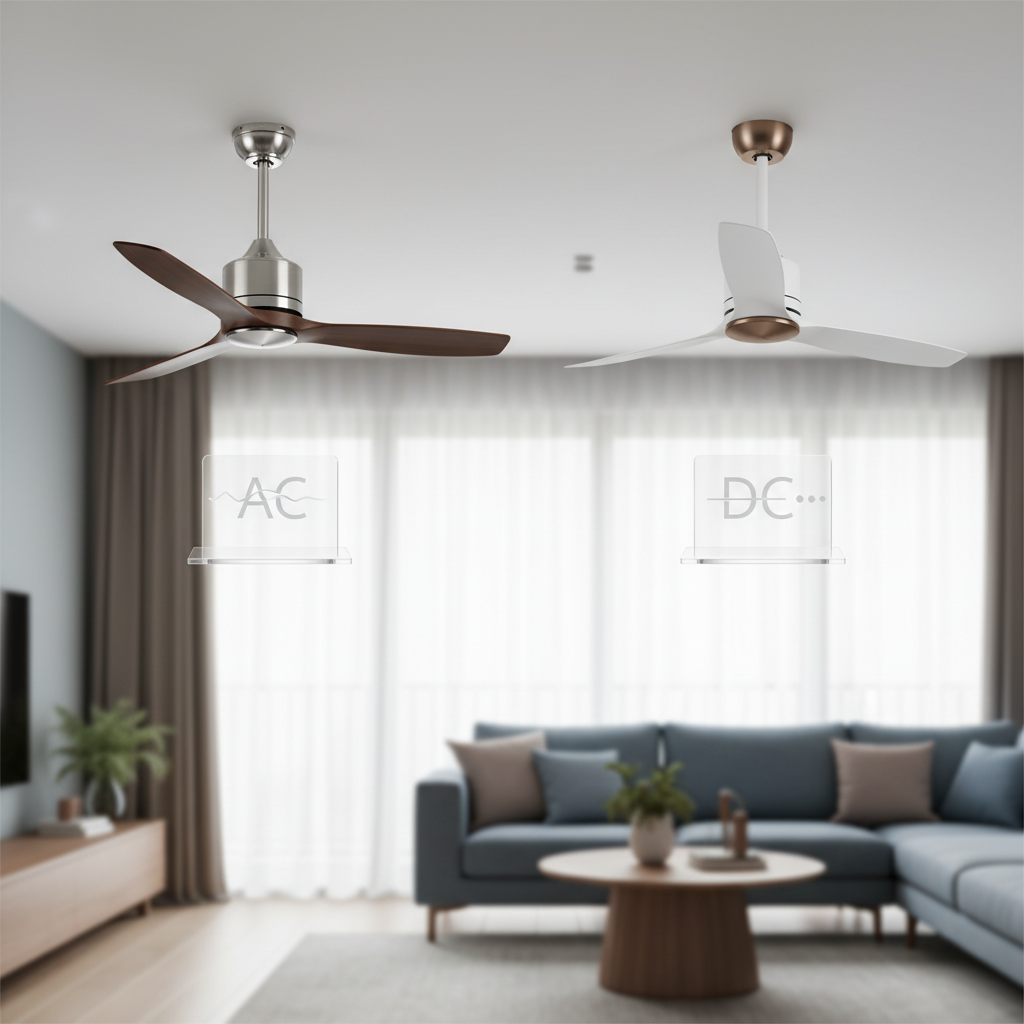
Imagine a world where cooling technology seamlessly integrates with your living space, offering not just comfort but also an undeniable aesthetic appeal. The evolution of ceiling fans is rapidly moving beyond traditional spinning blades towards innovative designs that redefine how we experience indoor climate control. Bladeless ceiling fans stand at the forefront of this revolution, promising a blend of cutting-edge technology, enhanced safety, and sleek, minimalist aesthetics. As we delve into the realm of these futuristic cooling devices, we will explore their ingenious inner workings, compare them against their conventional counterparts, and consider what makes them a compelling choice for the modern home.
What Are Bladeless Ceiling Fans? Redefining Air Circulation
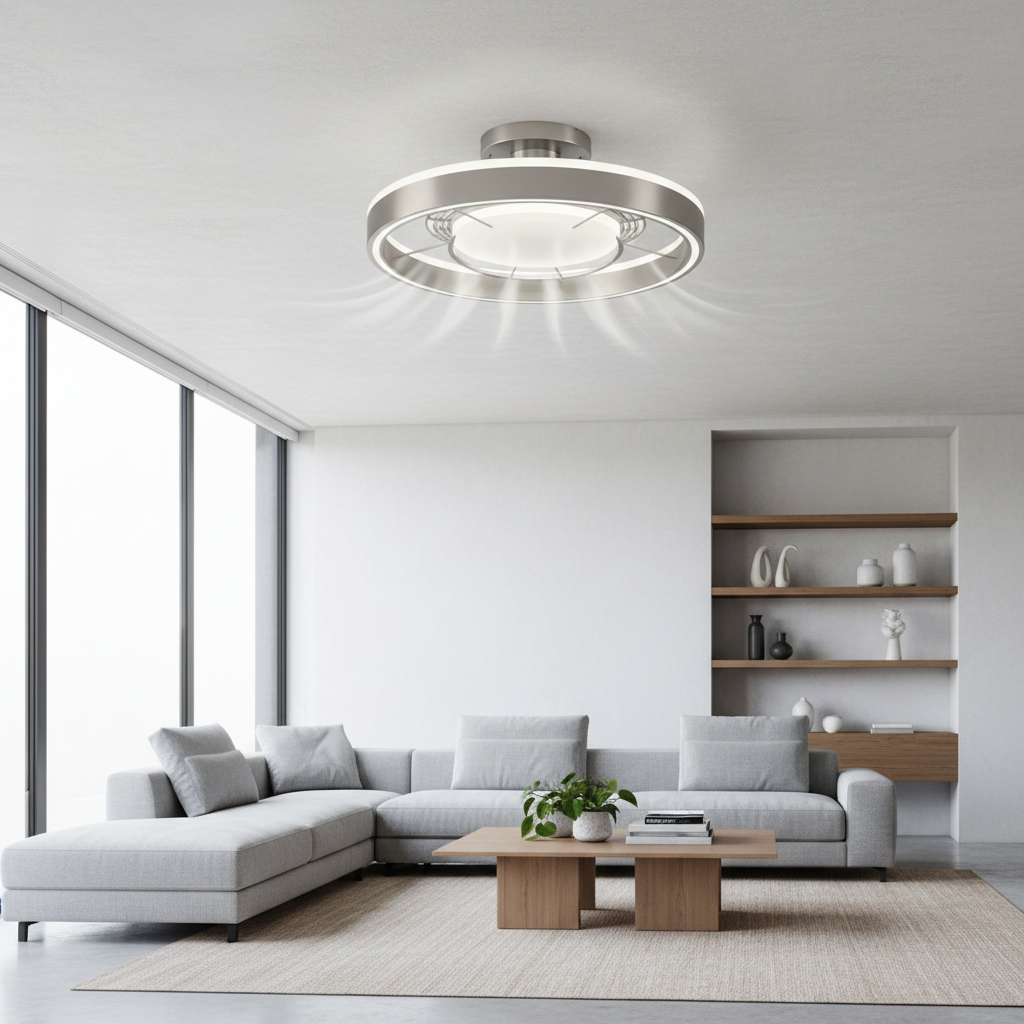
At first glance, the term “bladeless ceiling fan” might seem contradictory. However, these aren’t truly fans without blades; rather, their intricate internal components are ingeniously hidden within a sleek housing. Unlike conventional fans that visibly chop air with rotating blades, bladeless ceiling fans utilize an advanced air multiplier effect to generate a continuous, smooth airflow.
The technology typically involves a small, highly efficient brushless DC (BLDC) motor spinning an impeller within the fan’s base or central unit. This internal impeller draws air from the surroundings, accelerates it, and then pushes it out through narrow slits around the circumference of a hollow ring or loop. As this high-speed air exits the slits, it adheres to the fan’s curved surface due to the Coanda effect. This initial airflow then entrains or “drags” surrounding air into its stream, amplifying the total volume of air moved by several times, creating a powerful yet gentle breeze that circulates evenly throughout the room.
This innovative approach has propelled the bladeless ceiling fan market into a period of significant growth, with projections estimating an increase from USD 900 million in 2023 to USD 1.3 billion by 2030. The demand is largely driven by a growing consumer preference for energy-efficient, safe, and aesthetically pleasing cooling solutions that integrate seamlessly into contemporary living spaces.
The Innovation Behind Bladeless Ceiling Fan Designs
The appeal of bladeless ceiling fans extends far beyond their hidden mechanics. Their design philosophy centers on a fusion of advanced functionality with unparalleled visual simplicity, making them a significant upgrade for any modern interior.
Aesthetics and Interior Integration
|
Our Picks for the Best Ceiling fan in 2026
As an Amazon Associate I earn from qualifying purchases.
|
||
| Num | Product | Action |
|---|---|---|
| 1 | ZMISHIBO 52 Inch Ceiling Fan with Light, App&Remote Control, Flush Mount Low Profile, Dimmable 20W LED Light, Quiet Reversible Motor for Bedroom, Living Room, Apartment, Black |

|
| 2 | Ceiling Fans with Lights, 42 Inch Ceiling Fan with Light And Remote, 3CCT Flush Moun Low Profile Ceiling Fans, 6 Speed Noiseless LED Ceiling Fan, Black Ceilings Fan with Remote for Bedroom Living Room |
|
| 3 | Passky Ceiling Fans with Lights, 52 inch Sleek Ceiling Fan with Light and Remote Control, 3CCT, Dimmable, Reversible, Noiseless, Black Ceiling Fan for Bedroom, Living Room |
|
| 4 | Ceiling Fans with Lights, 52 Inch Modern Ceiling Fans with Lights and Remote Control, DC Reversible Motor, Noiseless, 3CCT, Ceiling Fan for Bedroom, Living Room, Apartment Indoor/Outdoor Use |
|
| 5 | Fanbulous 52 Inch Ceiling Fans with Lights and Remote, Stepless Color Temperature Change & Dimmable 20W LED Ceiling Fan, 6 Speeds Reversible Quiet DC Motor for Bedroom, Living Room, Apartment, Black |
|
| 6 | Amico Ceiling Fans with Lights, 42 inch Low Profile Ceiling fan with Light and Remote Control, Flush Mount, Reversible, 3CCT, Dimmable, Noiseless, Black Ceiling Fan for Bedroom, Indoor/Outdoor Use |
|
| 7 | Ceiling Fans with Lights - 42 Inch Low Profile Ceiling Fan with Light and Remote, Reversible DC Motors, 3CCT Dimmable Timer Noiseless, Black Flush Mount Ceiling Fan for Bedroom/Living Room |
|
| 8 | ZMISHIBO Ceiling Fans with Lights and Remote, 19.7'' Low Profile Ceiling Fan, 3000-6000K Dimmable Modern Flush Mount LED Fan Light, 6 Wind Speeds, Black Fandelier Ceiling Fans for Bedroom |
|
| 9 | Asyko 46" Low Profile Ceiling Fan with Light and Remote Control,Black Modern Flush Mount Ceiling Fan with Lights for Bedroom, Reversible, Dimmable, Noiseless |
|
| 10 | addlon Ceiling Fans with Lights, 42 Inch Low Profile Ceiling Fan with Light and Remote Control, Flush Mount, Reversible, 3CCT, Dimmable, Quiet, Black Small Ceiling Fan for Bedroom Indoor/Outdoor Use |
|
One of the most compelling features of bladeless ceiling fans is their minimalist and futuristic aesthetic. Without visible spinning blades, these fans offer a clean, uncluttered look that blends effortlessly into contemporary and minimalist decors. They often appear as sleek discs or refined fixtures, transforming from a mere appliance into a sophisticated design element. This focus on seamless integration allows architects and interior designers greater freedom, ensuring the fan enhances rather than detracts from the overall room ambiance.
Integrated Features
Modern bladeless ceiling fans frequently incorporate a suite of smart features that elevate the user experience. Many models come with integrated LED lighting, offering dimmable and even color-changing capabilities to set the perfect mood. The “smart” aspect often includes Wi-Fi connectivity, allowing users to control the fan’s speed, light settings, and schedule through smartphone apps. Furthermore, integration with voice assistants like Amazon Alexa or Google Assistant provides hands-free control, making these fans a true component of a smart home ecosystem. These advanced features contribute to both convenience and energy optimization, dynamically adjusting to environmental conditions and user preferences.
Bladeless vs. Traditional Ceiling Fans: A Comprehensive Comparison
Choosing between a bladeless and a traditional ceiling fan involves weighing several factors, from safety and noise to airflow and aesthetics. While both aim to cool your space, they achieve it through distinct methods, leading to different user experiences.
Here’s a comparison to highlight their differences:
| Feature | Bladeless Ceiling Fan | Traditional Ceiling Fan |
|---|---|---|
| Safety | No exposed blades, safer for children and pets. | Exposed blades pose a potential hazard. |
| Noise Level | Generally quieter due to smooth airflow. | Can be noisy, especially at higher speeds. |
| Airflow | Smooth, consistent, and diffused air distribution. | Stronger, more direct, and sometimes choppy airflow. |
| Cleaning | Very easy to clean; smooth surfaces wipe down. | Blades collect dust, often requiring more effort to clean. |
| Energy Efficiency | Many models (especially BLDC) are highly efficient, but some may consume more power for similar airflow. | Varies widely; BLDC models are highly efficient, AC models less so. |
| Cost | Higher initial investment due to advanced technology. | Generally more affordable. |
| Design | Sleek, modern, minimalist, often integrated with lighting. | Wide range of styles, from classic to contemporary. |
While traditional fans provide a strong, direct blast of air, bladeless fans offer a gentler, more even distribution that can feel like a natural breeze, suitable for those who prefer consistent, subtle cooling. Bladeless fans excel in areas where safety, quiet operation, and ease of maintenance are paramount.
Choosing Your Bladeless Ceiling Fan: Key Considerations
If you’re considering making the switch to a bladeless ceiling fan, several factors should guide your decision to ensure you select the perfect model for your home.
Room Size and Airflow Needs
While bladeless fans are highly effective in circulating air, it’s crucial to match the fan’s capacity to your room’s dimensions. For optimal cooling, ensure the fan’s airflow (often measured in CFM – Cubic Feet per Minute) is appropriate for the area. Bladeless fans typically provide uniform air movement, making them ideal for spaces where consistent ambient cooling is desired, though for very large rooms or those requiring a powerful, direct breeze, some traditional fans might still offer stronger air displacement.
Motor Technology
The heart of an efficient bladeless ceiling fan is its motor. Brushless Direct Current (BLDC) motors are a superior choice, known for their energy efficiency and whisper-quiet operation. They consume significantly less power than older AC motors and offer enhanced durability and control. Prioritizing a fan with a BLDC motor will result in lower energy bills and a more peaceful environment.
Smart Features
In today’s connected world, smart features are a significant convenience. Look for bladeless fans that offer Wi-Fi connectivity for app control, integration with your existing smart home ecosystem, and voice control capabilities. Features like dimmable LED lighting, scheduling, and even environmental sensors can enhance comfort and energy savings.
Design and Aesthetics
The sleek, modern aesthetic is a primary draw of bladeless fans. Consider how the fan’s design, finish (e.g., brushed nickel, black), and size will complement your room’s existing decor. Many models come with integrated lighting, which can further streamline the ceiling’s appearance.
Budget and Installation
Bladeless ceiling fans typically come with a higher upfront cost than traditional models due to their advanced technology and design. Prices can range from a few hundred dollars to over a thousand for high-end, feature-rich units. While easier to clean, some advanced models might require professional installation, adding to the overall cost. Factor in both the purchase price and potential installation expenses when budgeting.
Leading the Charge: Popular Bladeless Ceiling Fan Models
The market for bladeless ceiling fans is expanding, with several brands offering innovative solutions that combine aesthetics with advanced functionality. These models often highlight cutting-edge features and superior performance, representing the future of home cooling.
Brands like Exhale Fans are notable, with their Gen 5 models featuring a full brushless DC motor for ultra-quiet and energy-efficient operation. These fans boast integrated LED lighting, pre-installed typhoon wind vanes for enhanced airflow (over 5,000 CFM), and upgraded components for durability. Martec’s Fantom DC Bladeless Smart Ceiling Fan is another example, emphasizing sleek design, quiet performance, and smart connectivity for remote control.
Other brands such as Bella Depot, Cusp Barn, and SILJOY also offer a variety of bladeless smart ceiling fans, often found on major retail platforms like Lowe’s and Home Depot. These models frequently include features like dimmable and color-changing LED lights, remote controls, and app integration, catering to diverse design preferences and smart home setups. When exploring options, pay attention to specific features like CFM output, motor type, smart home compatibility, and warranty to ensure the model aligns with your precise needs.
Installation and Maintenance: Ensuring Longevity
Embracing bladeless ceiling fans means enjoying a simpler maintenance routine, though careful installation remains key for optimal performance and safety.
Installation
While the absence of visible blades might suggest simpler installation, the advanced internal components of bladeless ceiling fans can sometimes make the process more complex than with traditional fans. For safety and proper functionality, it is often recommended to engage a qualified electrician or a professional installer. This ensures secure mounting, correct wiring, and proper integration of any smart features into your home’s electrical system.
Cleaning
One of the most celebrated advantages of bladeless ceiling fans is their unparalleled ease of cleaning. Unlike traditional fans where dust accumulates on blades and within intricate grilles, bladeless models present smooth, often sealed surfaces. A simple wipe-down with a microfiber cloth is usually all that’s needed to keep them pristine, significantly reducing the chore of maintenance and contributing to better indoor air quality by preventing the circulation of accumulated dust.
Troubleshooting
Bladeless fans are designed for durability, especially those with BLDC motors. However, like any electronic appliance, minor issues can arise. A common “complaint” from some users of early models was a low, consistent hum at higher speeds, which modern, high-quality units have largely mitigated through advanced acoustic engineering. If a fan isn’t performing as expected, checking power connections or resetting smart controls are often good first steps. For more complex issues, consulting the manufacturer’s manual or a professional technician is advisable.
Conclusion
Bladeless ceiling fans represent a significant leap forward in home cooling technology, offering an appealing combination of safety, quiet operation, and modern design. They redefine traditional air circulation with their hidden impeller systems and air multiplier effects, delivering a smooth, consistent breeze that enhances comfort without compromising aesthetics. While they often involve a higher initial investment compared to their bladed counterparts, their ease of cleaning, energy-efficient BLDC motors, and seamless smart home integration present a compelling vision for the future of indoor climate control. For those seeking to elevate their living spaces with innovative, safe, and sophisticated cooling solutions, the bladeless ceiling fan emerges as a truly transformative choice. Are you ready to embrace the future of quiet, sleek cooling in your home?
Frequently Asked Questions
Are bladeless ceiling fans truly bladeless?
No, bladeless ceiling fans are not truly bladeless. They conceal small, internal impeller blades within their base or housing. These hidden blades draw in air, which is then amplified and expelled as a smooth, continuous stream through narrow apertures, creating the illusion of being bladeless.
Are they more energy-efficient than traditional fans?
The energy efficiency of bladeless ceiling fans can vary. Many high-quality models, particularly those featuring BLDC (Brushless Direct Current) motors, are designed to be very energy-efficient, consuming significantly less power than older AC motor traditional fans. However, some traditional BLDC fans can also be highly efficient, and overall efficiency depends on the specific model and design.
What are the main benefits of bladeless ceiling fans?
The main benefits include enhanced safety due to no exposed blades, whisper-quiet operation, effortless cleaning of smooth surfaces, and a sleek, modern aesthetic that complements contemporary interiors. Many also offer smart features like app control and integration with home automation systems.
Are bladeless ceiling fans loud?
Bladeless ceiling fans are generally quieter than traditional fans. The absence of large, exposed blades cutting through the air eliminates much of the “choppy” noise associated with conventional models. While the internal motor and air movement still produce a low hum, it’s typically a smooth, less intrusive sound.
Can bladeless ceiling fans cool large rooms effectively?
Yes, high-quality bladeless ceiling fans can be effective in cooling various room sizes. They are designed to provide consistent, even air distribution throughout a space. However, for very large rooms, users might find that traditional fans with larger blades offer a more powerful, direct airflow, which some prefer.
Are bladeless ceiling fans expensive?
Bladeless ceiling fans generally have a higher upfront cost than traditional fans. This is due to the advanced technology, intricate design, and often integrated smart features. However, the investment can be justified by benefits such as increased safety, quieter operation, easier maintenance, and potentially long-term energy savings from efficient BLDC motors.